
Advanced features in hiking GPS
Key Takeaways
- Modern hiking GPS devices offer advanced features such as cloud capabilities and real-time tracking.
- Integration with mapping software enhances navigation experience.
- Durability and battery life are essential for outdoor adventures.
- Wearable GPS devices provide hands-free convenience for hikers.
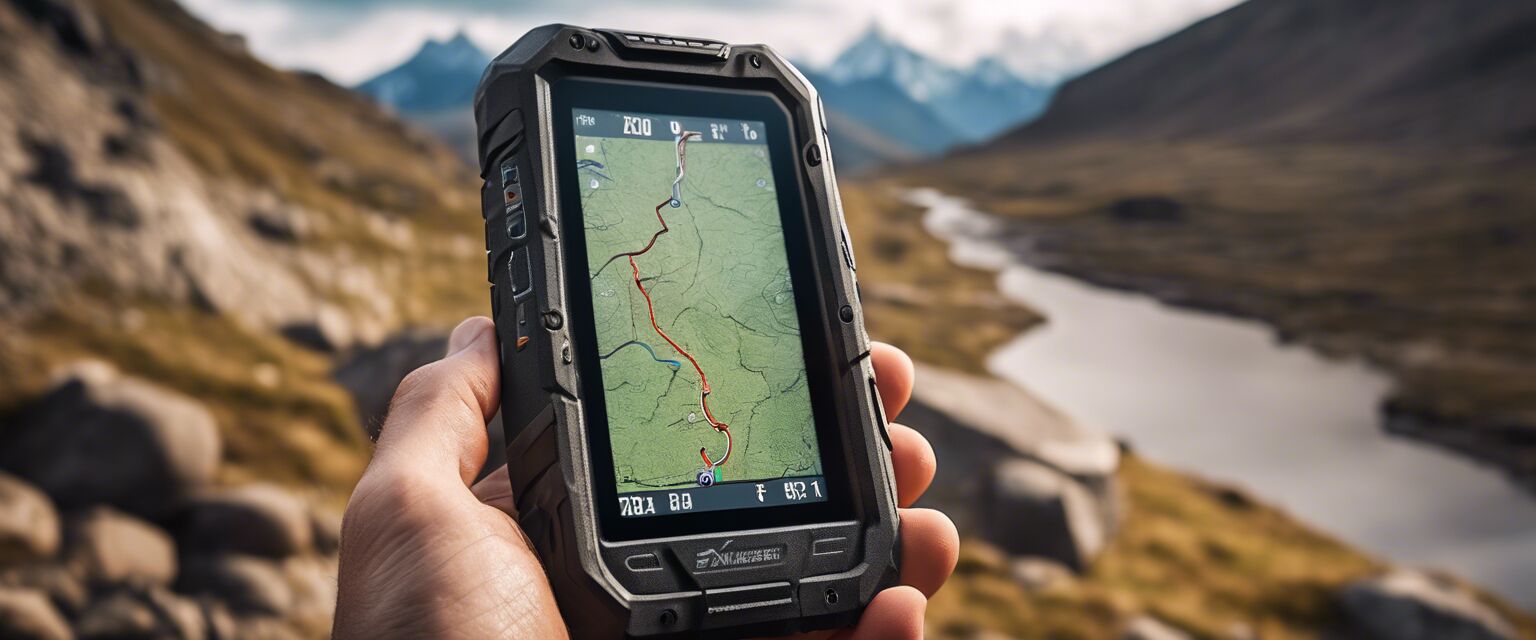
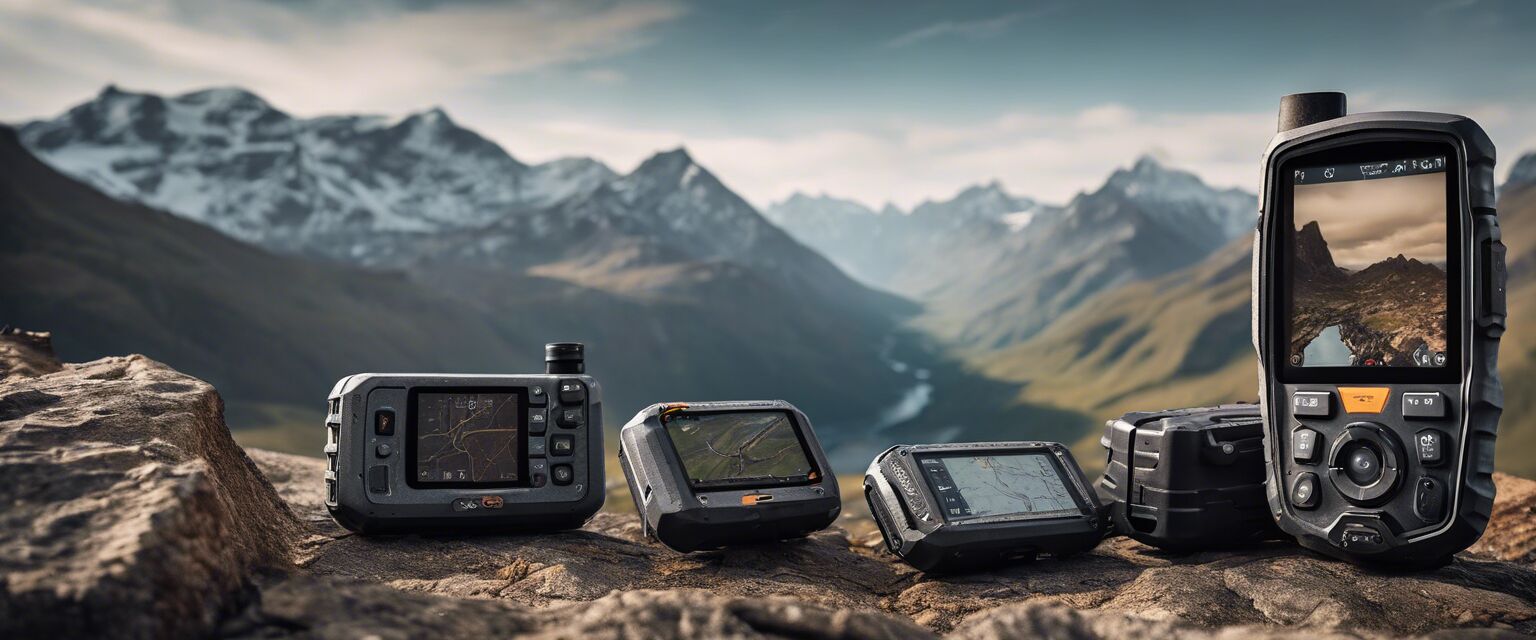
In recent years, hiking GPS devices have evolved significantly, incorporating advanced technological features that enhance the outdoor experience for adventurers. This article will explore the cutting-edge functionalities of modern hiking GPS systems, focusing on how they improve navigation, safety, and overall hiking enjoyment.
Understanding GPS technology for hikers
Global Positioning System (GPS) technology has revolutionized outdoor activities, particularly hiking. By leveraging satellite signals, hikers can track their location accurately in real-time. Here, we break down the essential components of GPS technology that make it invaluable in outdoor adventures:
| Component | Description |
|---|---|
| GPS Satellite Network | A constellation of satellites that transmits signals to GPS devices on Earth. |
| Reception | GPS devices receive signals from multiple satellites to ascertain location. |
| Mapping Software | Software that offers detailed maps of hiking trails and off-road terrains. |
Key advanced features to look for
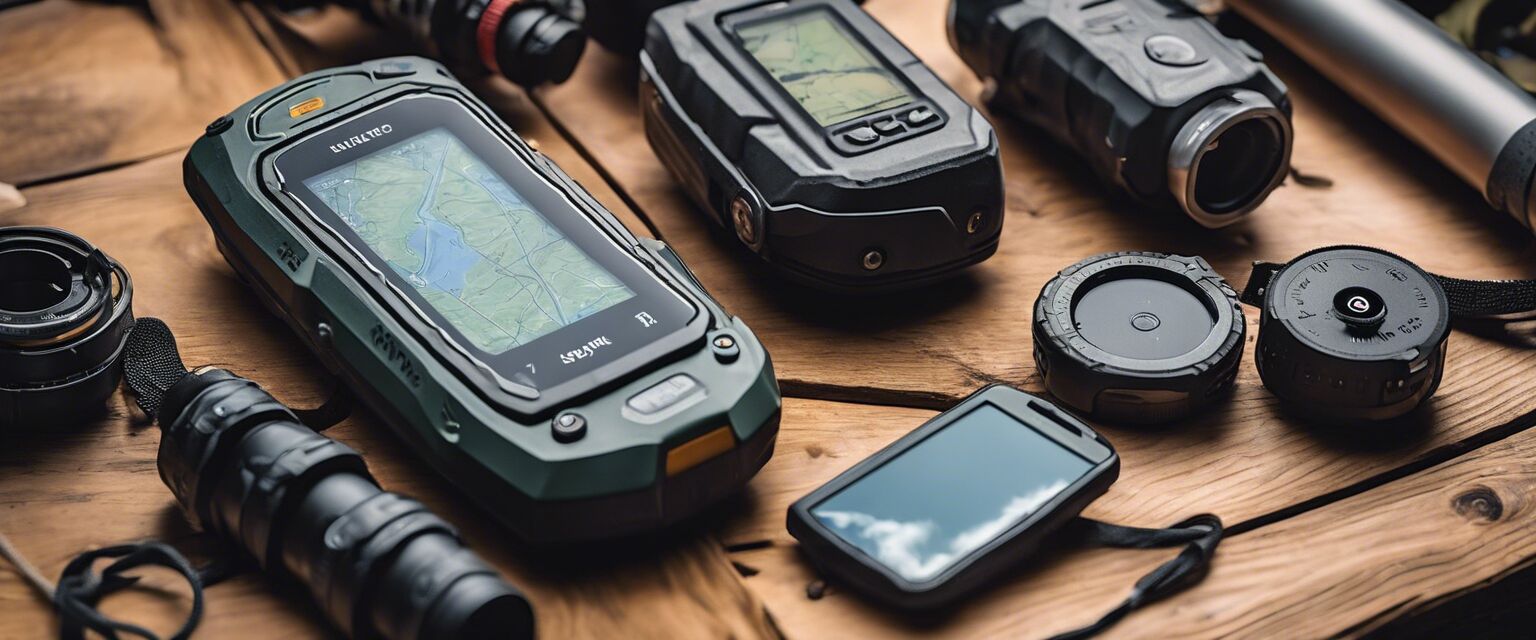
When choosing a hiking GPS device, several advanced features can enhance your experience:
- Real-time tracking
- Offline maps and route planning
- Weather forecasting
- Emergency beacons
- Heart rate monitoring in wearable devices
The importance of real-time tracking
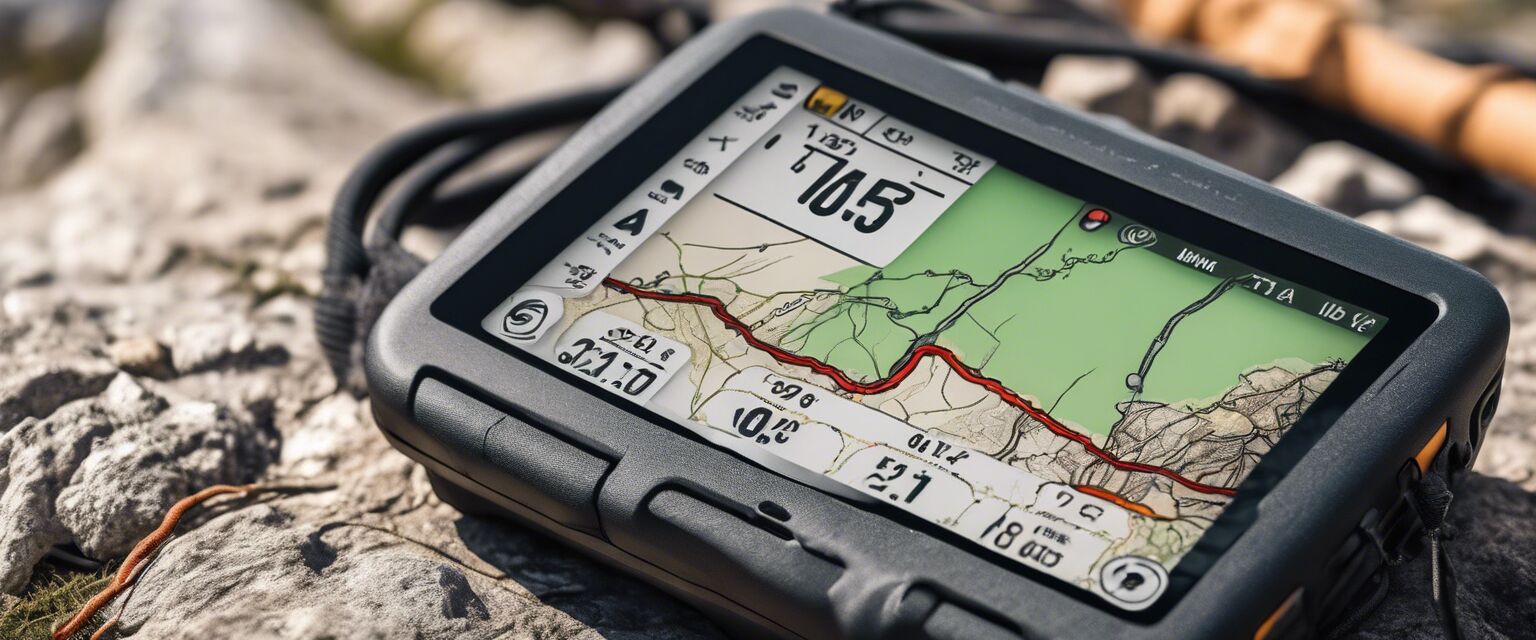
Real-time tracking is a notable feature in modern hiking GPS devices. This functionality allows hikers to share their location with others directly, providing added safety during remote adventures. Below are some advantages of real-time tracking:
Pros
- Improved safety by sharing location with friends and family.
- Finding lost companions on group hikes.
- Mapping progress in real-time on trails.
Cons
- Requires a cellular connection or data service.
- Potential battery drain when actively tracking.
Integrating with mapping software
Integration with advanced mapping software allows for diverse route planning and visualization of trails, enhancing hikers' navigation capabilities. Here are some of the key benefits:
- Access to updated trail conditions and user reviews
- Customizable waypoints for specific points of interest
- Detailed terrain maps for better route understanding
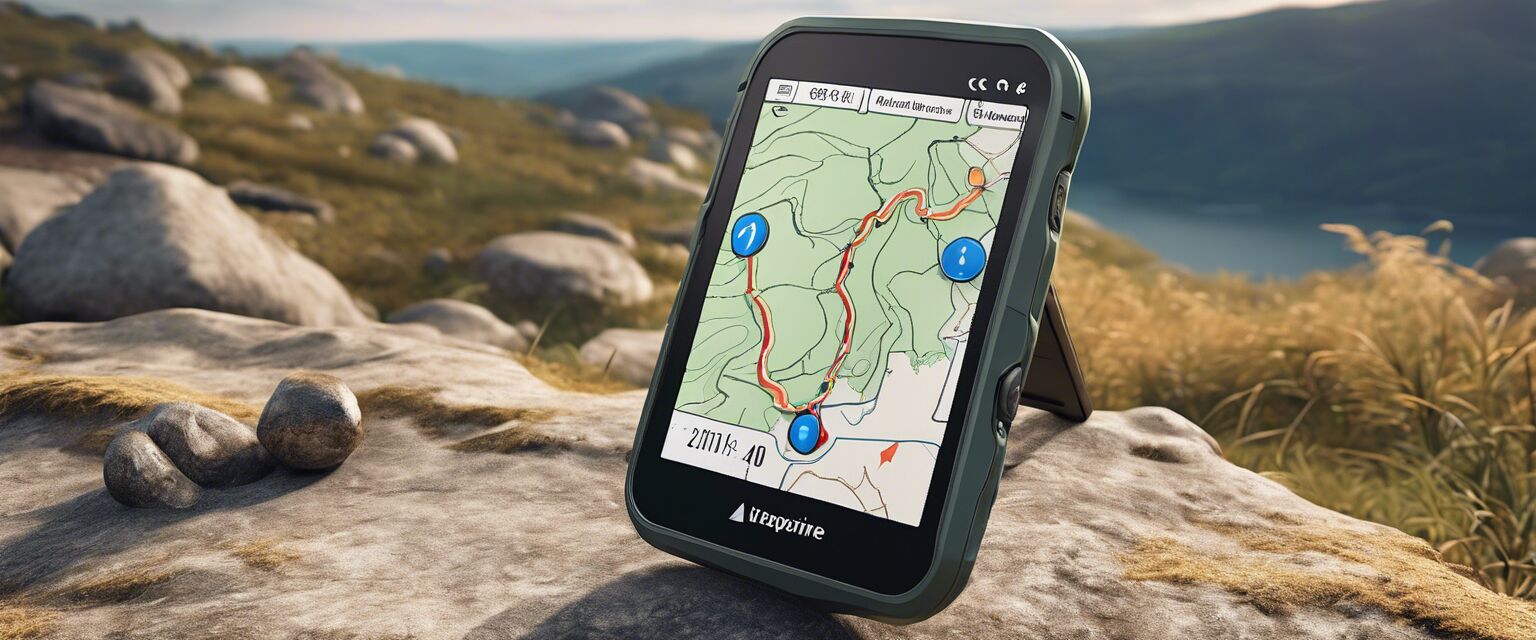
Durability and battery life
For hikers, selecting a GPS device that can withstand rugged conditions is crucial. Hereâs what to look for in terms of durability:
- Waterproof and dustproof ratings (such as IPX7)
- Shock-resistant casing
- Extended battery life for longer trips
Battery longevity significantly impacts hiking experiences, especially on multi-day trips. Below, we outline key features of the best battery-powered hiking GPS units:
| Model | Battery Life | Durability | Real-time Tracking |
|---|---|---|---|
| Model A | 20 hours | IPX7 | Yes |
| Model B | 30 hours | Shock-resistant | No |
| Model C | 40 hours | IPX8 | Yes |
Wearable GPS devices for hiking
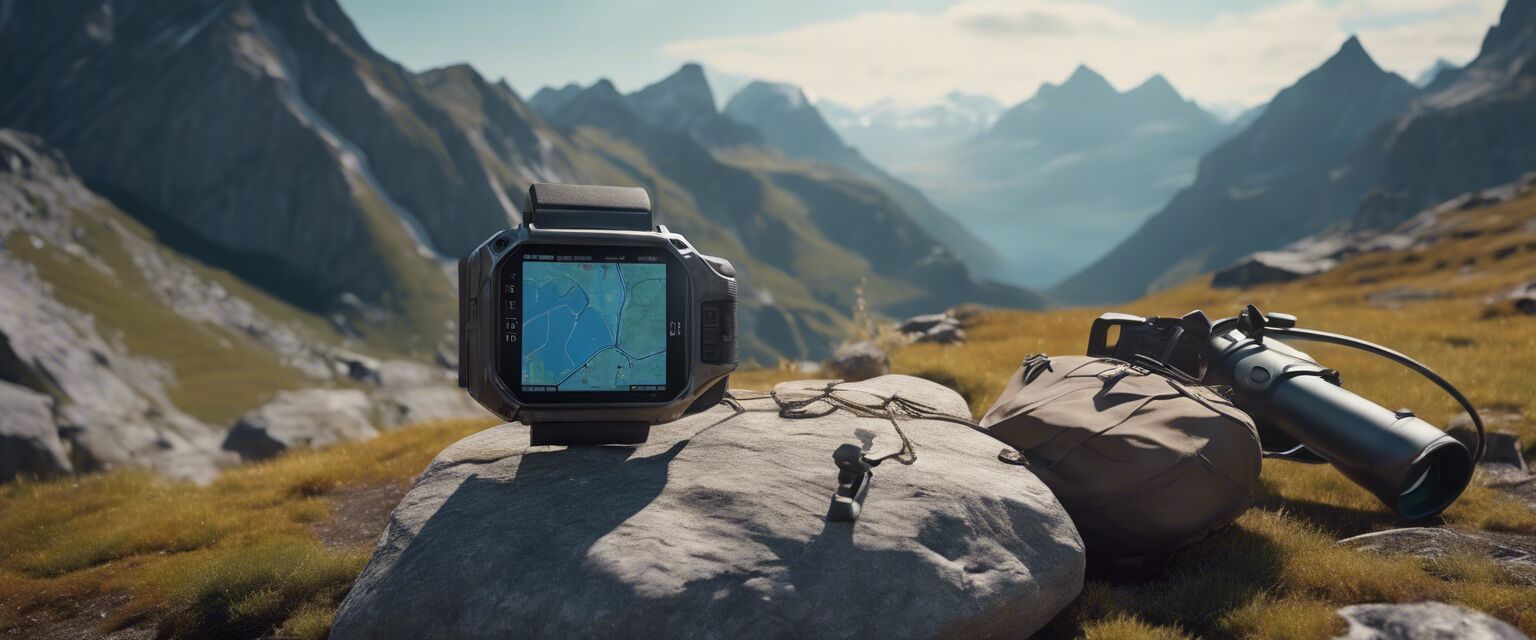
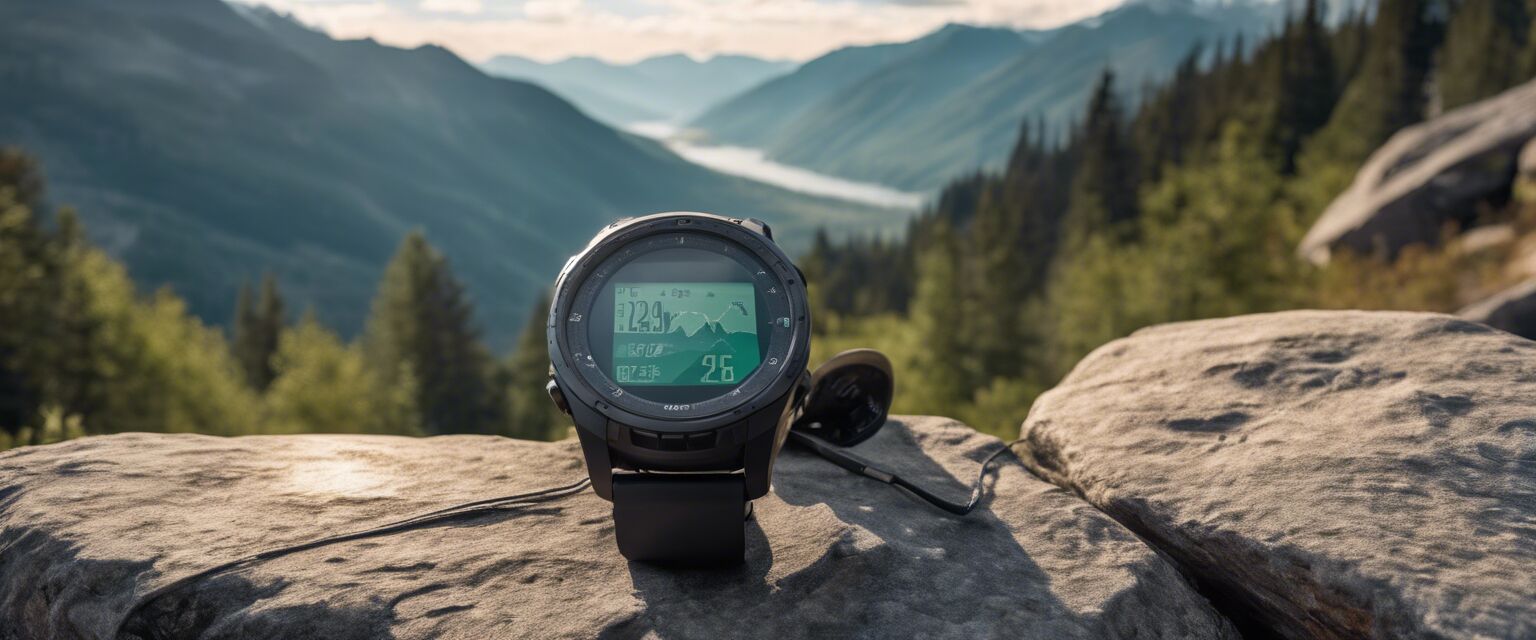
Wearable GPS devices have gained in popularity, offering an innovative solution for hikers who want hands-free navigation. Key benefits include:
- Convenient access to navigation data without manual device handling.
- Health tracking features, such as heart rate and steps.
- Lightweight and easier to carry compared to handheld units.
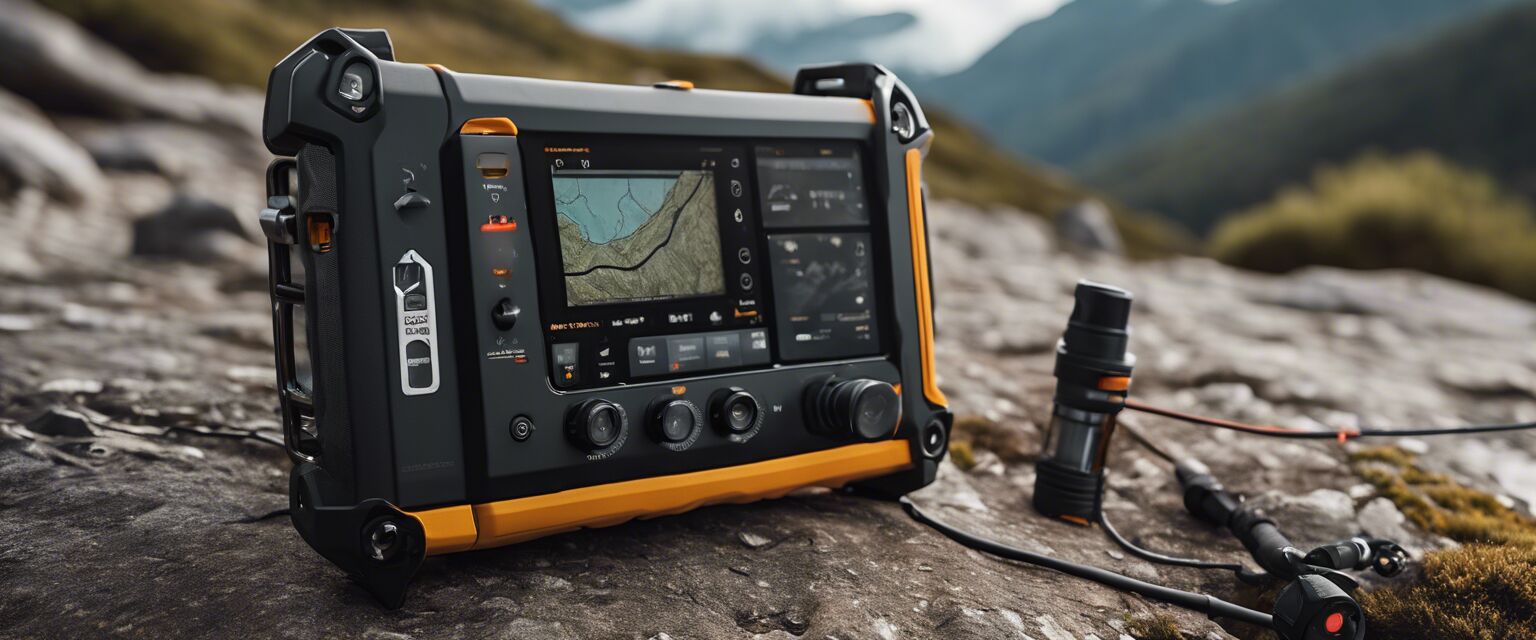
Portable communication devices
In remote areas, staying connected can be challenging. Portable communication devices often come with features tailored for hikers:
- Emergency satellite communication
- Location sharing
- Text messaging in areas without cellular reception
These devices can work in tandem with hiking GPS systems to ensure safety and reliability during excursions.
Conclusion
Advancements in GPS technology significantly enhance hiking experiences, allowing for improved safety, navigation, and enjoyment. As features such as real-time tracking, integration with mapping software, durable designs, and innovative wearable options become more prevalent, hikers can confidently embark on their adventures. By understanding the various advanced functionalities available, outdoor enthusiasts can choose the right GPS device tailored to their rugged challenges.
Tips for beginners
- Before heading out, ensure your GPS device is updated and charged.
- Familiarize yourself with the device at home to feel more comfortable using it in the field.
- Always keep a physical map as a backup in case of device failure.
- Test emergency functions before heading out to ensure you know how to use them.