Budget-Friendly Hiking GPS
Key Takeaways
- Affordable options exist for hiking GPS systems.
- Focus on durability, battery life, and accuracy.
- Consider additional features such as mapping software and emergency beacons.
- Research user reviews for real-world performance insights.
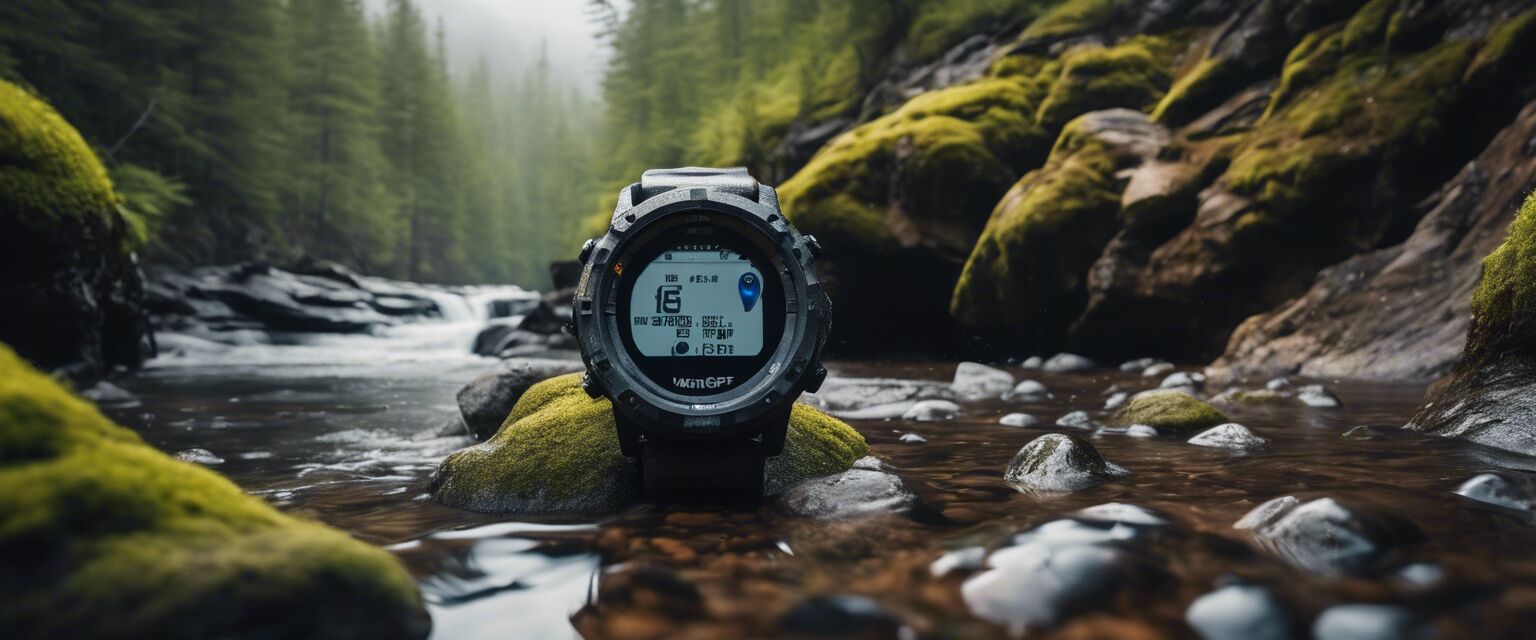
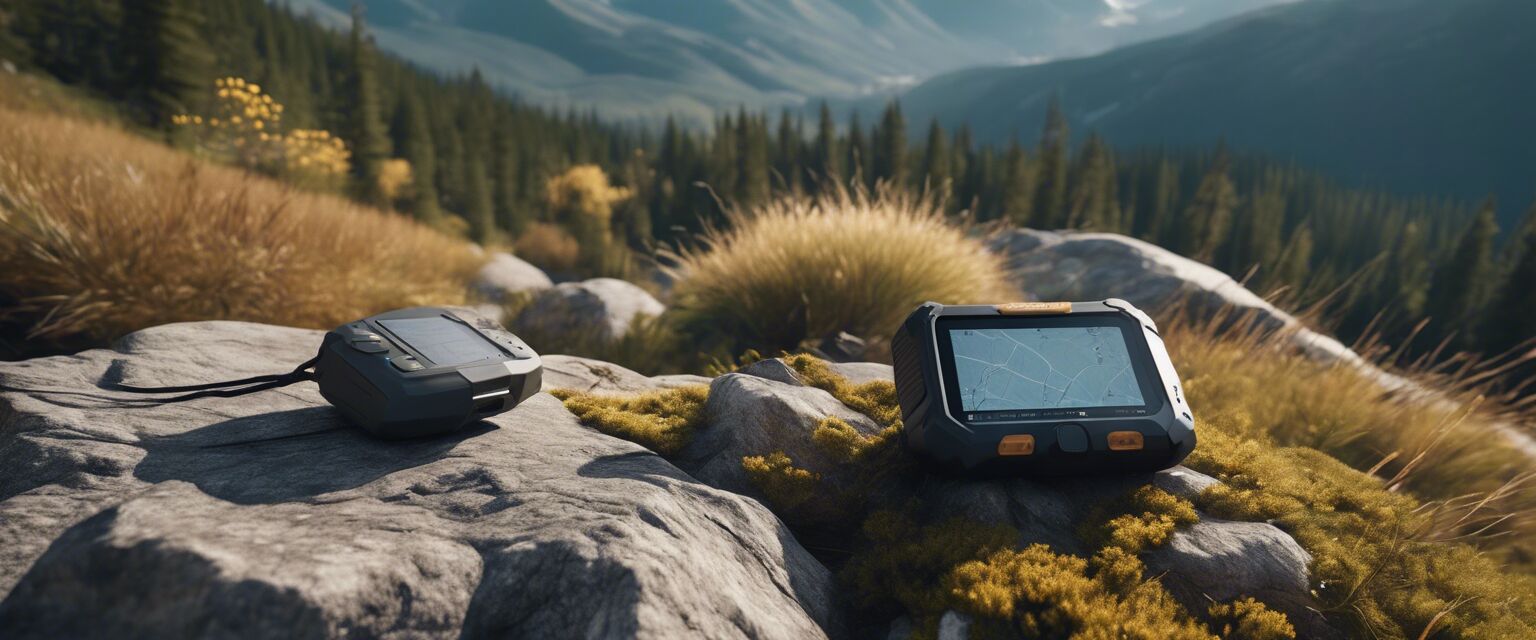
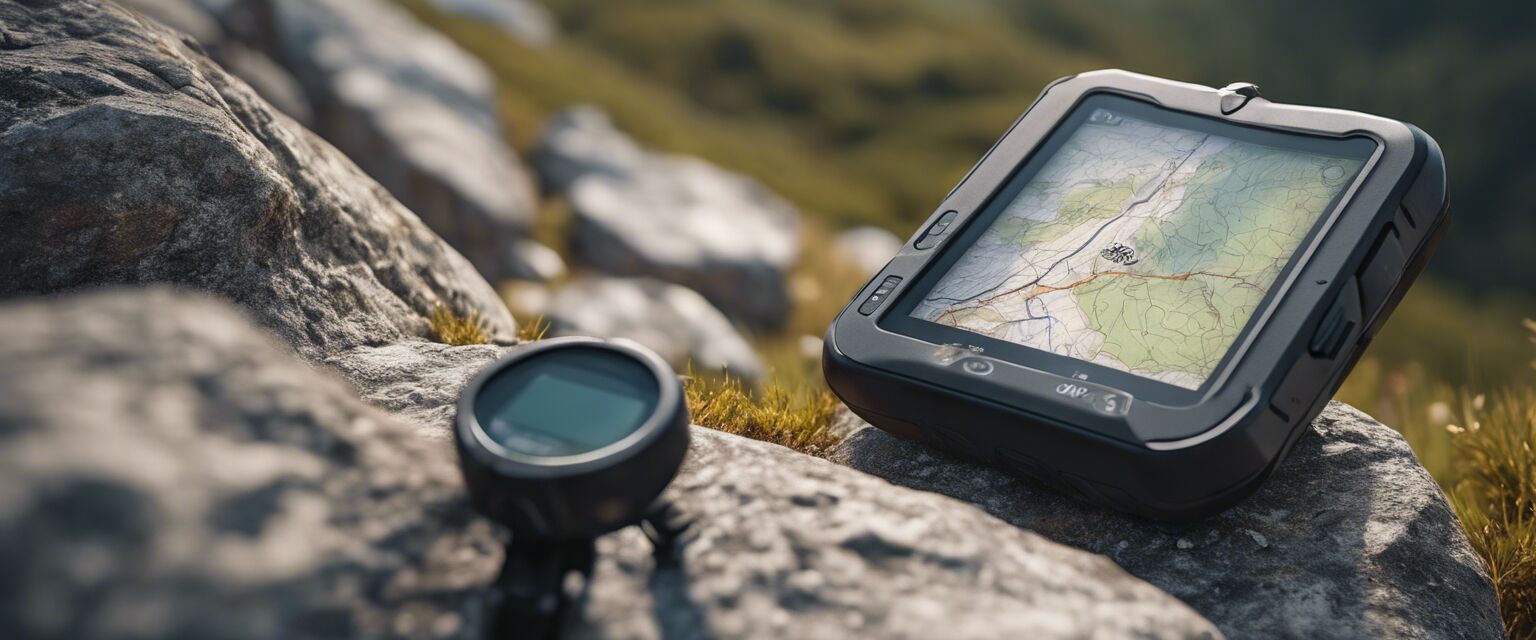
Hiking is a fantastic way to connect with nature, and having the right gear can make all the difference. One essential piece of equipment for any hiker is a reliable GPS device. However, many hikers may be deterred by high prices. This guide will explore budget-friendly hiking GPS systems that deliver on performance without breaking the bank.
Why invest in a GPS for hiking?
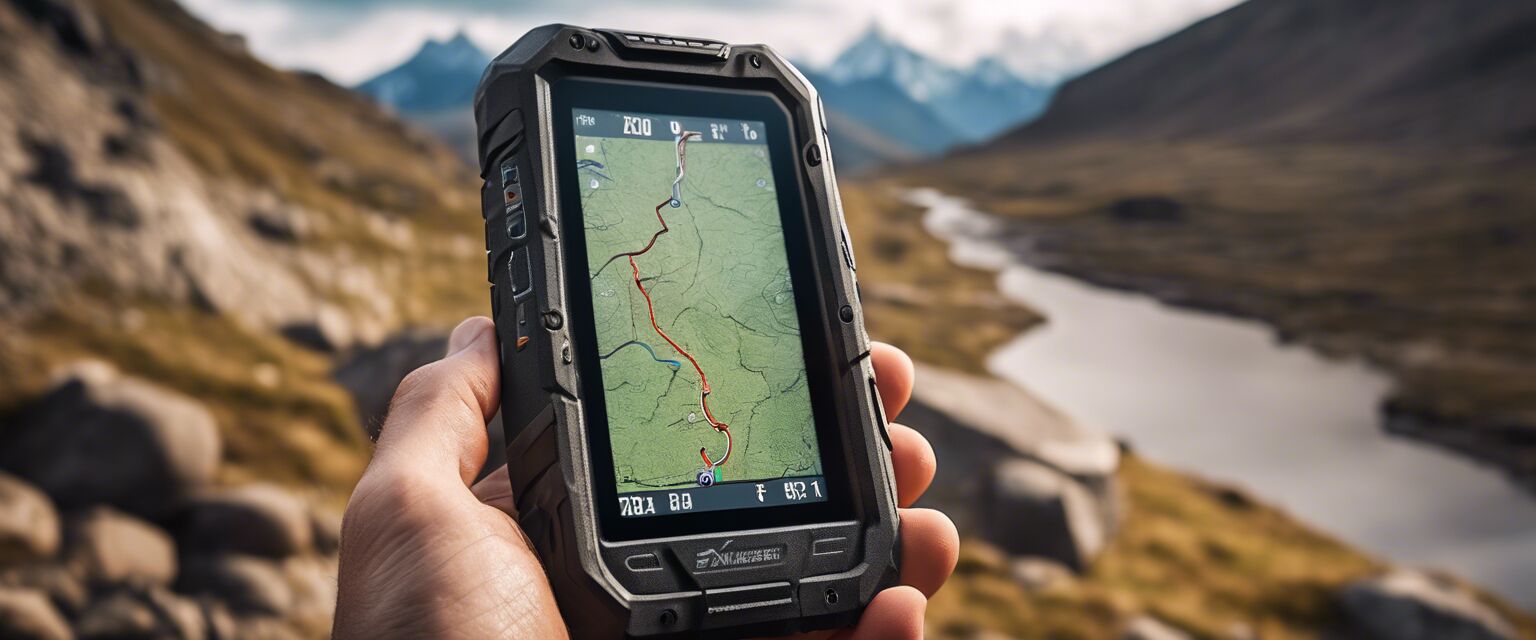
In todayâs digital age, a GPS device can enhance your hiking experience by providing accurate navigation, tracking your route, and helping you stay safe in unfamiliar terrains. Here are a few reasons why investing in a GPS is beneficial:
- Navigation: Helps you find your way on unfamiliar trails.
- Tracking: Allows you to track distance, speed, and elevation.
- Safety: Can notify emergency services in case of an accident.
Top features to consider
When searching for a budget-friendly hiking GPS, consider these key features:
| Feature | Description |
|---|---|
| Durability | Must withstand rough outdoor conditions. |
| Battery Life | Long-lasting battery is crucial for extended hikes. |
| Mapping Software | Access to offline maps can be a lifesaver. |
| Weight | Lightweight devices are preferred for long treks. |
| Water Resistance | Essential for hikes in wet conditions. |
Top budget-friendly hiking GPS systems
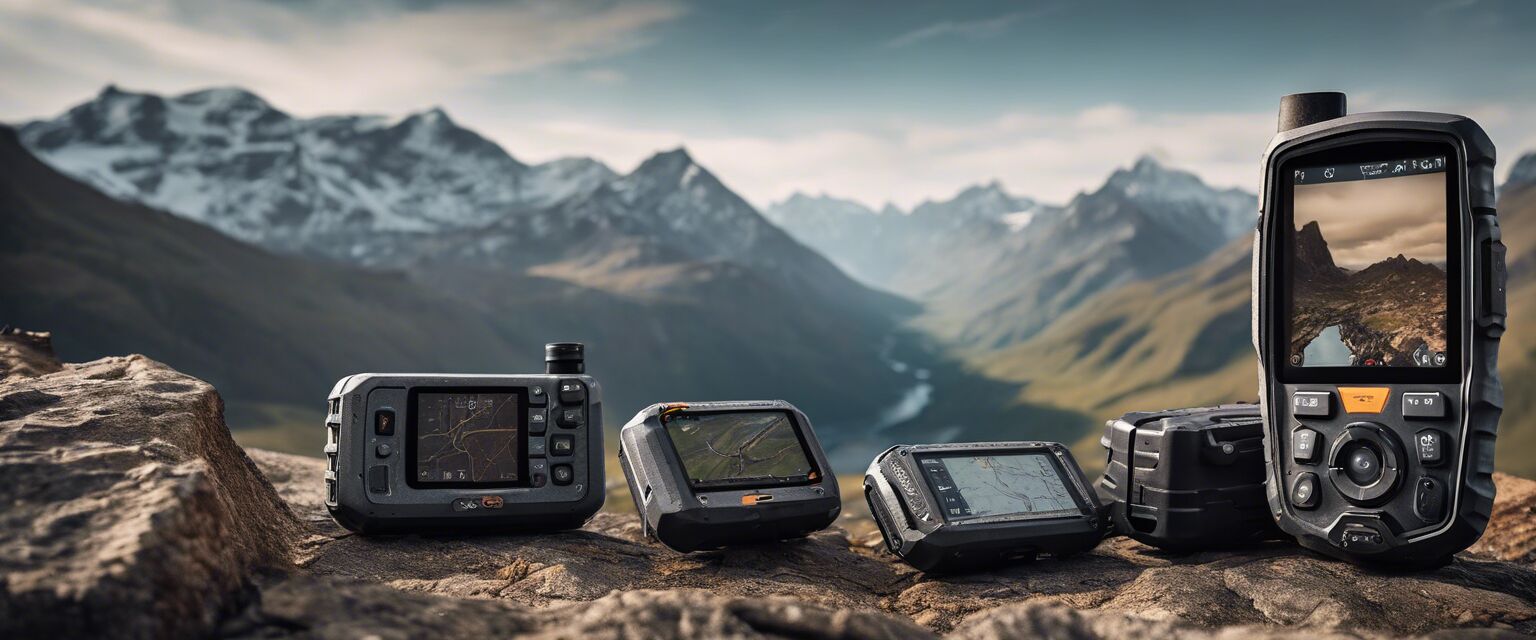
Here are some of the best budget-friendly hiking GPS devices available:
| GPS Model | Price Range | Key Features |
|---|---|---|
| Garmin eTrex 10 | $100 - $130 | Rugged design, 25-hour battery life, simple interface. |
| Magellan Explorist 310 | $150 - $180 | 2.2-inch color screen, preloaded maps, 18-hour battery life. |
| TomTom Adventurer | $200 - $250 | Built-in heart rate monitor, music storage, and route exploration. |
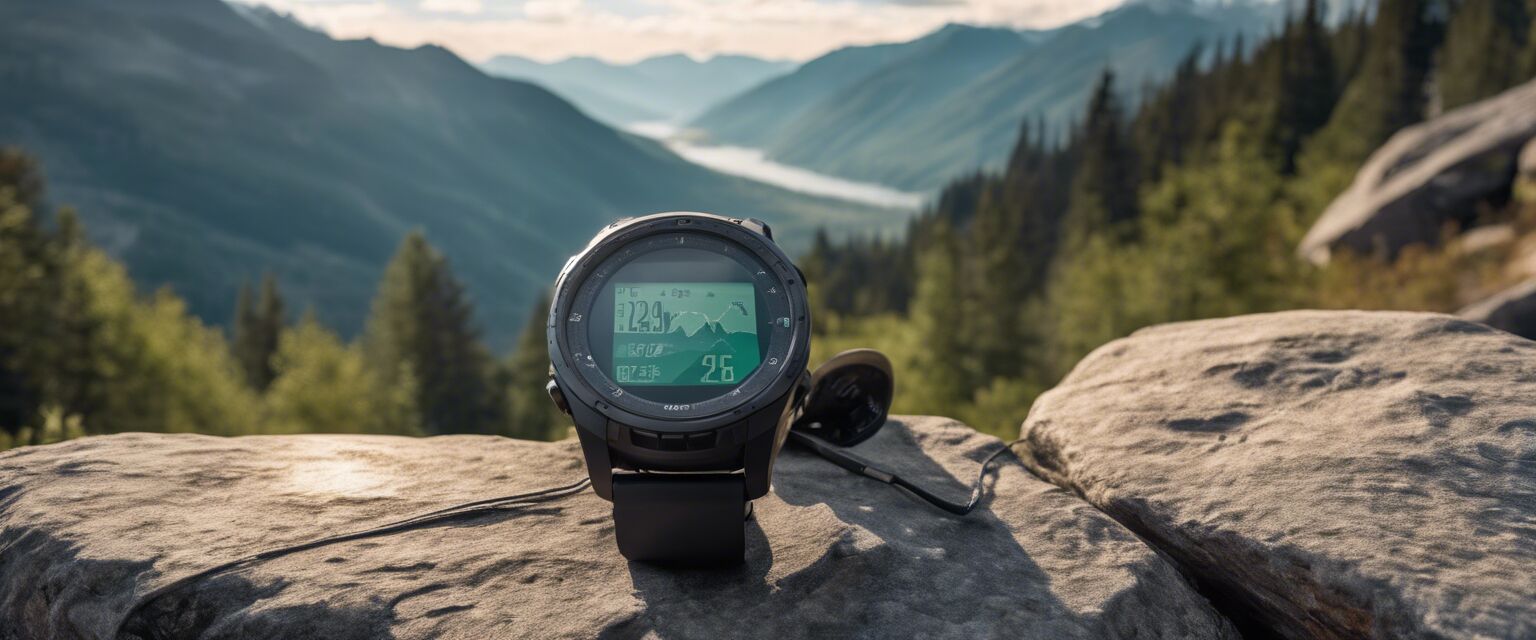
| Garmin Foretrex 401 | $150 - $200 | Lightweight, wrist-mounted, rugged, and waterproof. |
Additional accessories for your GPS
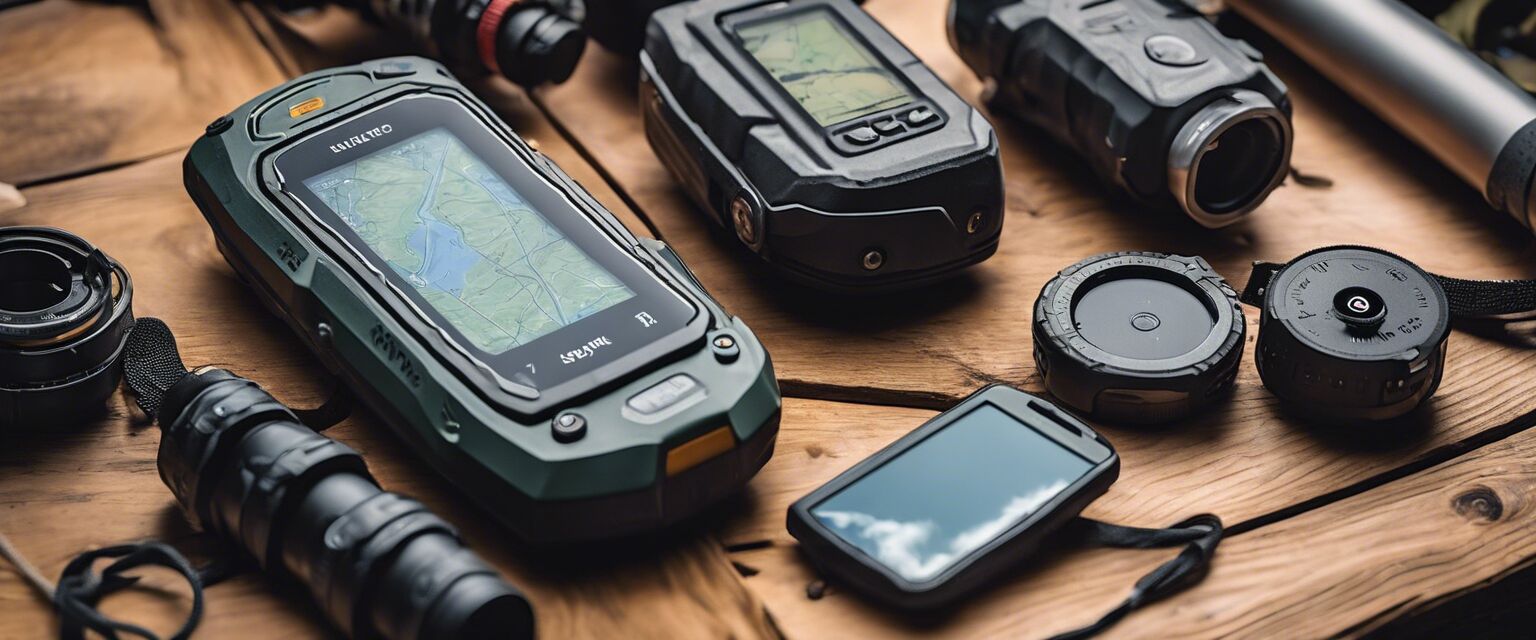
To enhance your hiking experience, consider pairing your GPS with some accessories:
- Screen protectors - Protect your device from scratches.
- Portable chargers - Keep your device powered during long hikes.
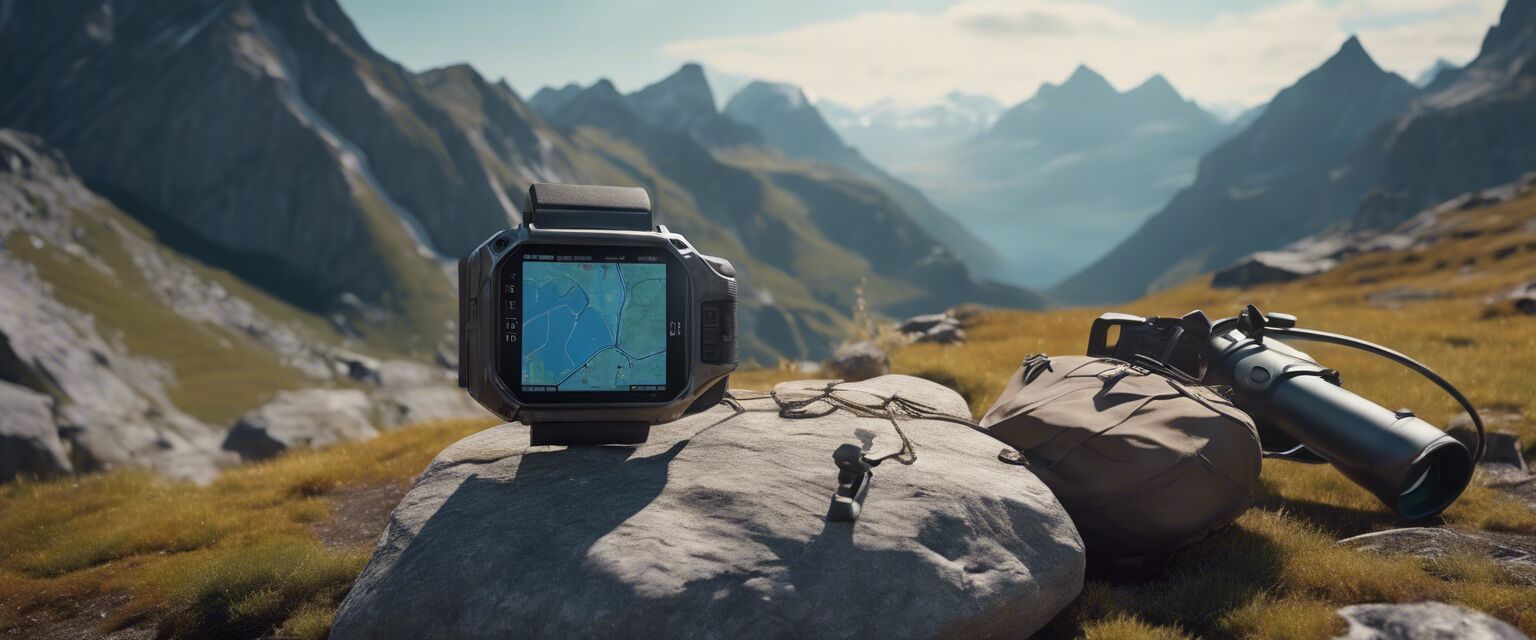
- Mapping software - Access detailed maps and track your routes.
- Emergency beacons - Ensure safety in case of emergencies.
Using your GPS effectively
To get the most out of your budget-friendly GPS, follow these tips:
Tips for beginners
- Familiarize yourself with the device before heading out.
- Always carry a paper map as a backup.
- Download maps for offline use in case of no signal.
- Regularly update your GPS software for optimal performance.
Conclusion
Investing in a budget-friendly hiking GPS is a smart choice for any hiker looking to enhance their outdoor experience. With various options available, you can find a device that fits your needs without exceeding your budget. Remember to consider the key features, read reviews, and complement your GPS with essential accessories.
Pros
- Affordable options available.
- Enhanced navigation and safety features.
- Durability for rugged terrains.
- Long battery life for extended hikes.
Cons
- Some budget models may lack advanced features.
- Limited customer support from lesser-known brands.
- Battery life may not be sufficient for very long hikes.
Frequently Asked Questions
What is the best budget GPS for hiking?
While the best option can vary based on personal preferences, devices like Garmin eTrex 10 and Magellan Explorist 310 are often recommended for their durability and performance.
How do I choose a GPS for hiking?
Consider factors such as battery life, durability, mapping capabilities, and ease of use when selecting a GPS device for hiking.
Are handheld GPS devices better than smartphone apps?
Handheld GPS devices are often more durable and have longer battery life compared to smartphones, making them preferable for serious hiking. However, smartphone apps can be convenient for casual hikers.
Can I use my GPS without a signal?
Yes, most GPS devices can track your location using satellite signals, making them usable in remote areas without cell service.
What should I do if my GPS battery runs out?
Always carry a portable charger and consider using a paper map as a backup. Familiarize yourself with the route before your hike to minimize reliance on GPS.