Smartwatch vs Handheld GPS: Which is better for hikers?
Key Takeaways
- Smartwatches are compact and multi-functional, ideal for general navigation.
- Handheld GPS units offer enhanced durability and battery life for rugged terrains.
- Both devices have unique features tailored to different hiking needs.
- Access to mapping software is crucial for both devices to ensure navigation accuracy.
- Evaluate your hiking habits and environment before choosing between the two.
When embarking on a hike, choosing the right navigation device can greatly enhance your experience. In this article, we will compare smartwatches and handheld GPS devices, highlighting their features, benefits, and drawbacks to help you make an informed decision.
Overview of smartwatches and handheld GPS units
Smartwatches and handheld GPS units have become indispensable tools for hikers. While both provide navigational support, they come with different functionalities that cater to various hiking preferences.
Smartwatches
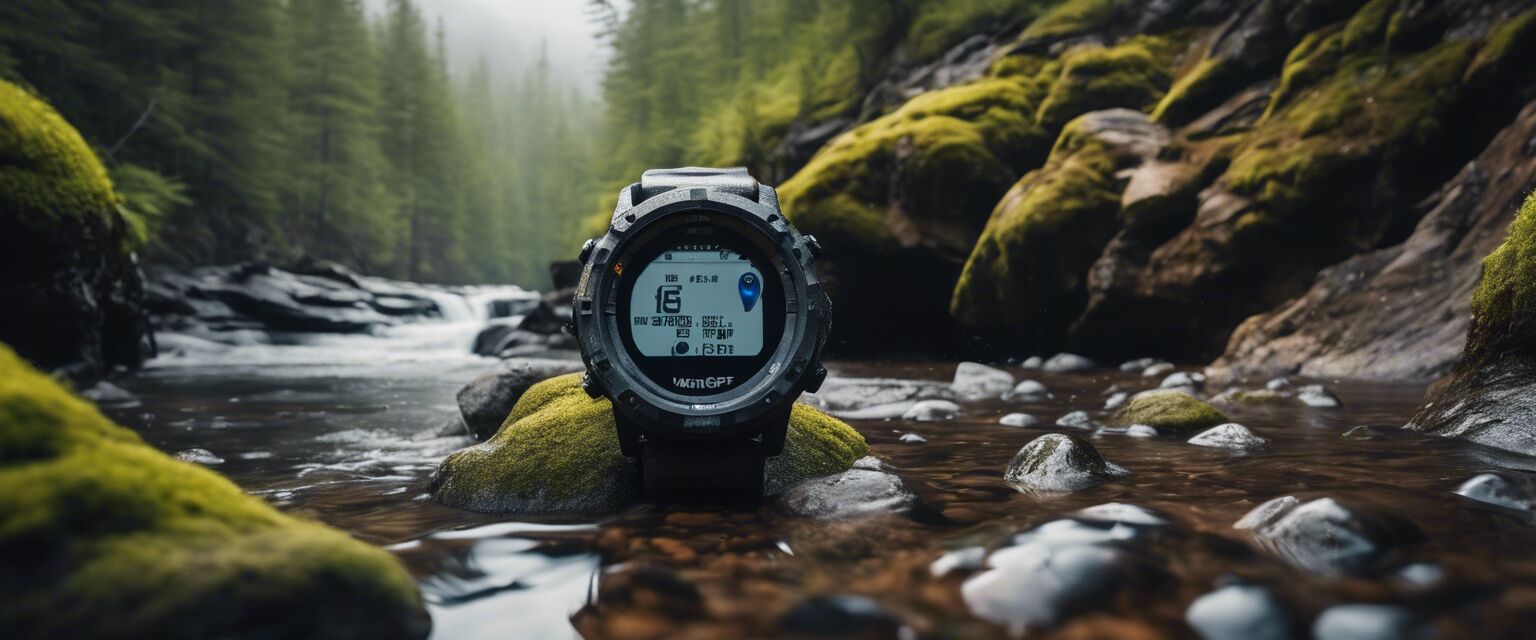
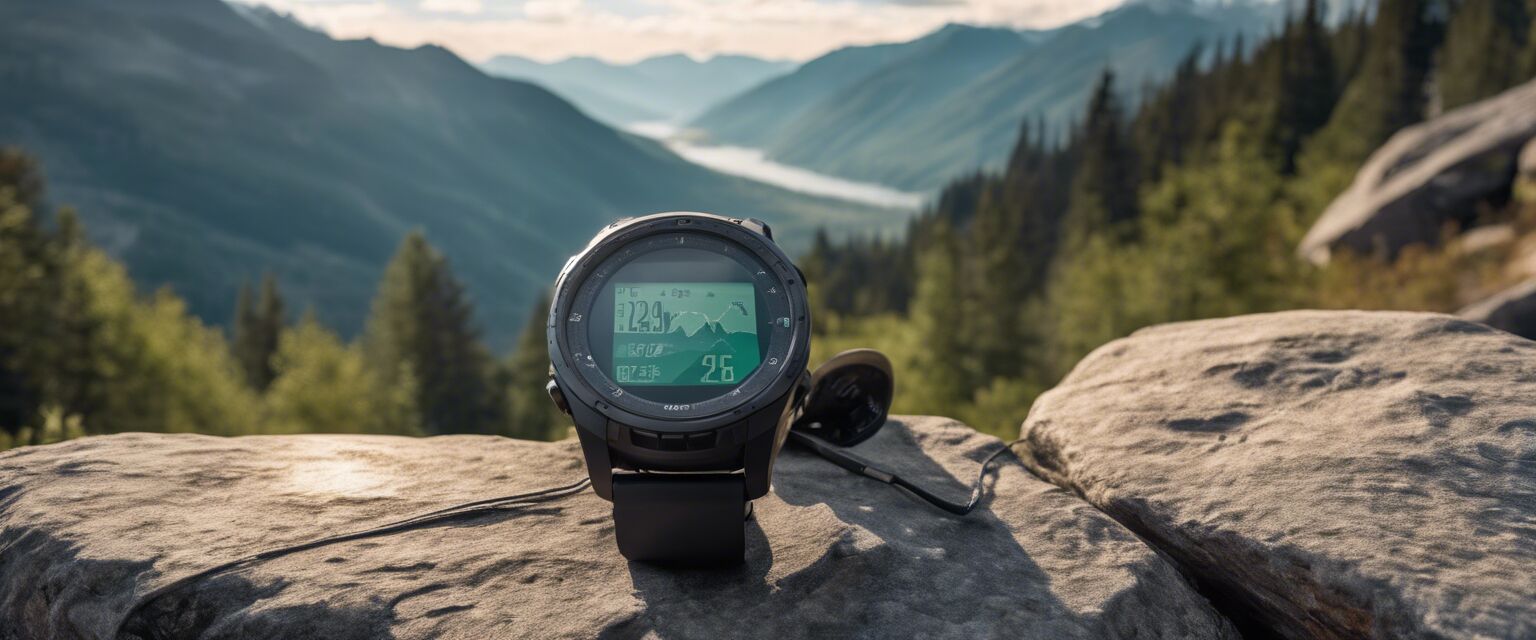
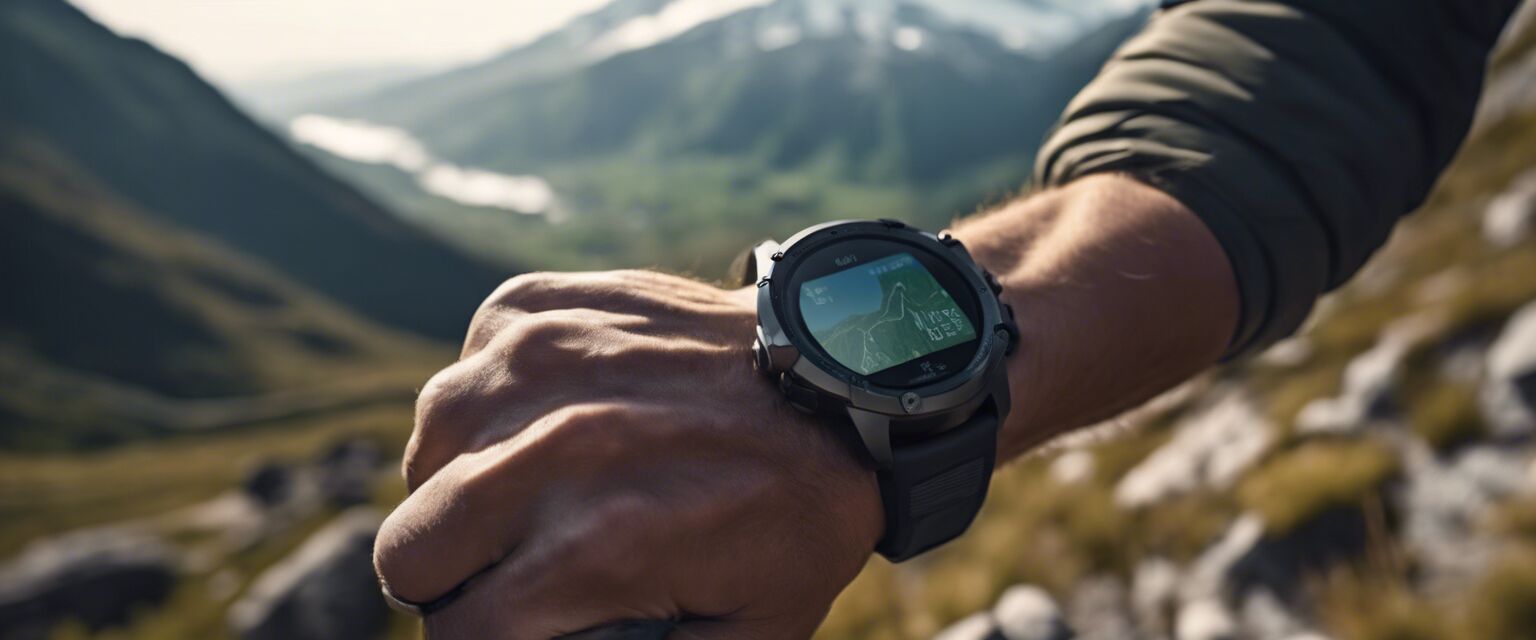
Smartwatches are compact, light, and designed to offer a range of features beyond navigation. They can track fitness data, receive notifications, and, most importantly for hikers, provide GPS functionality.
Handheld GPS Units
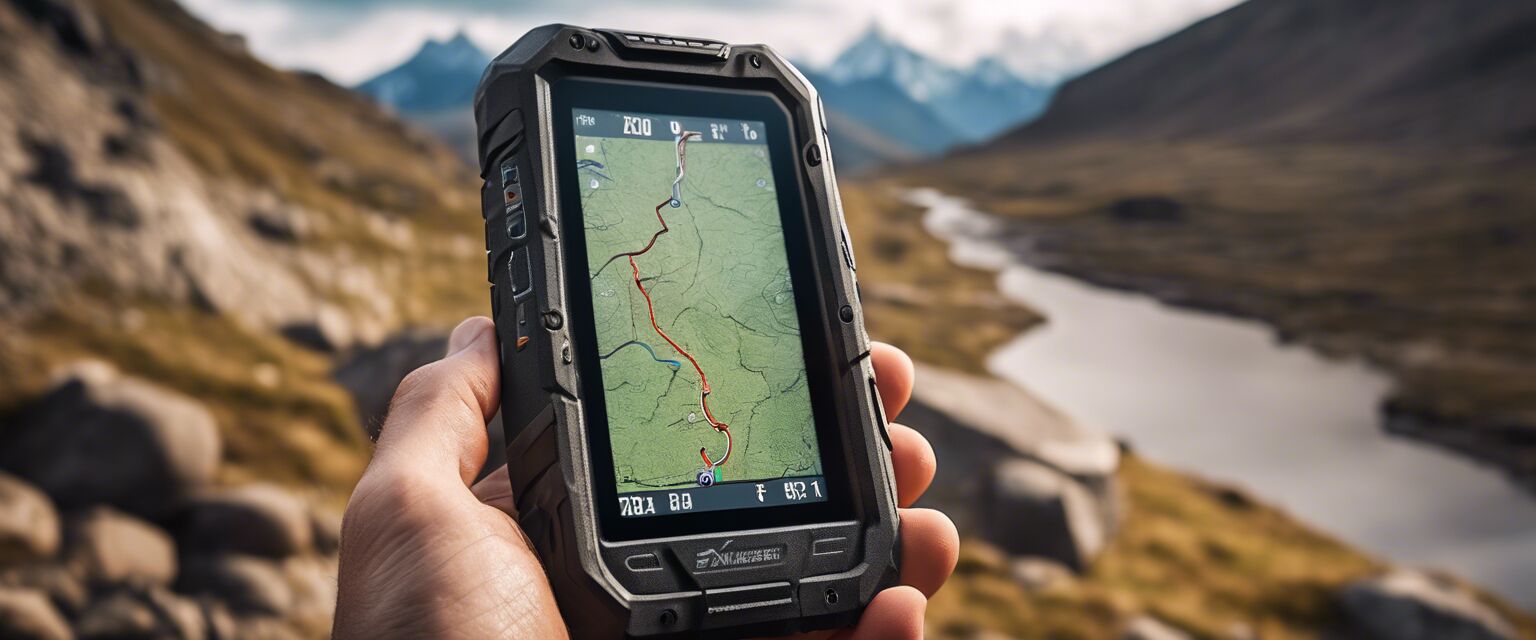
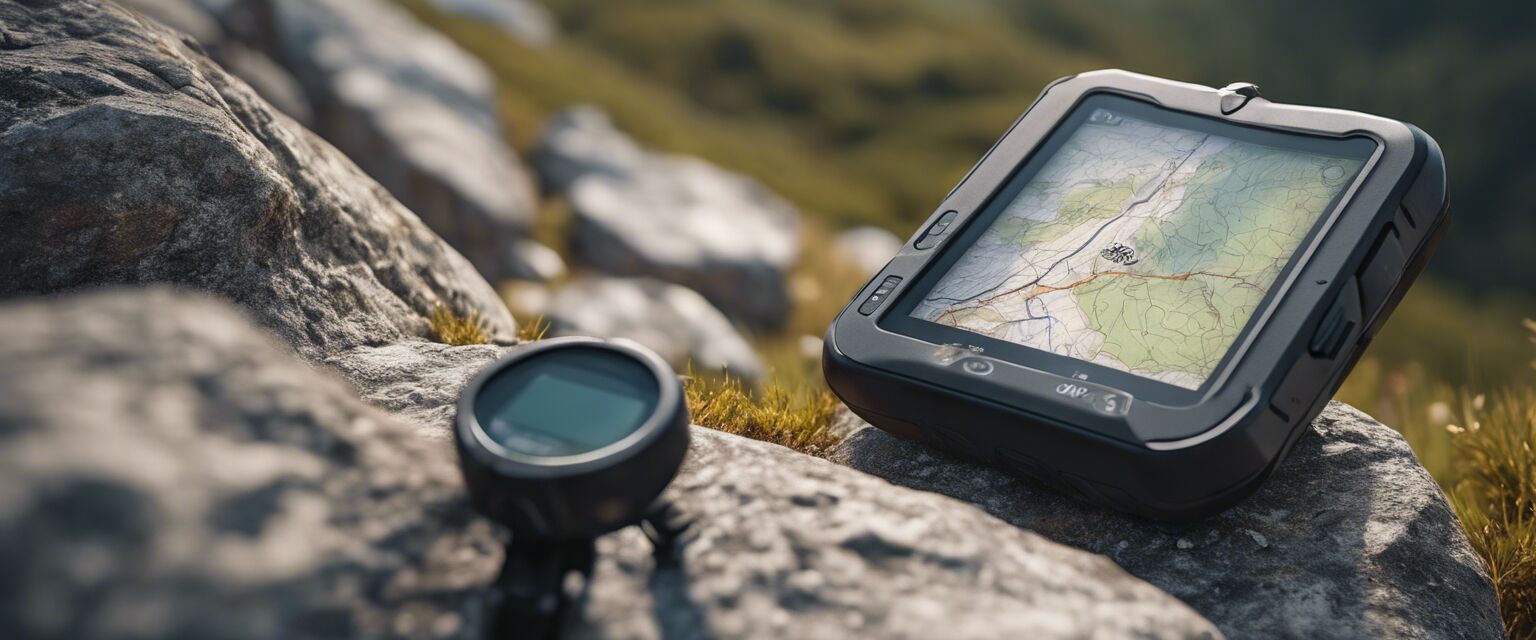
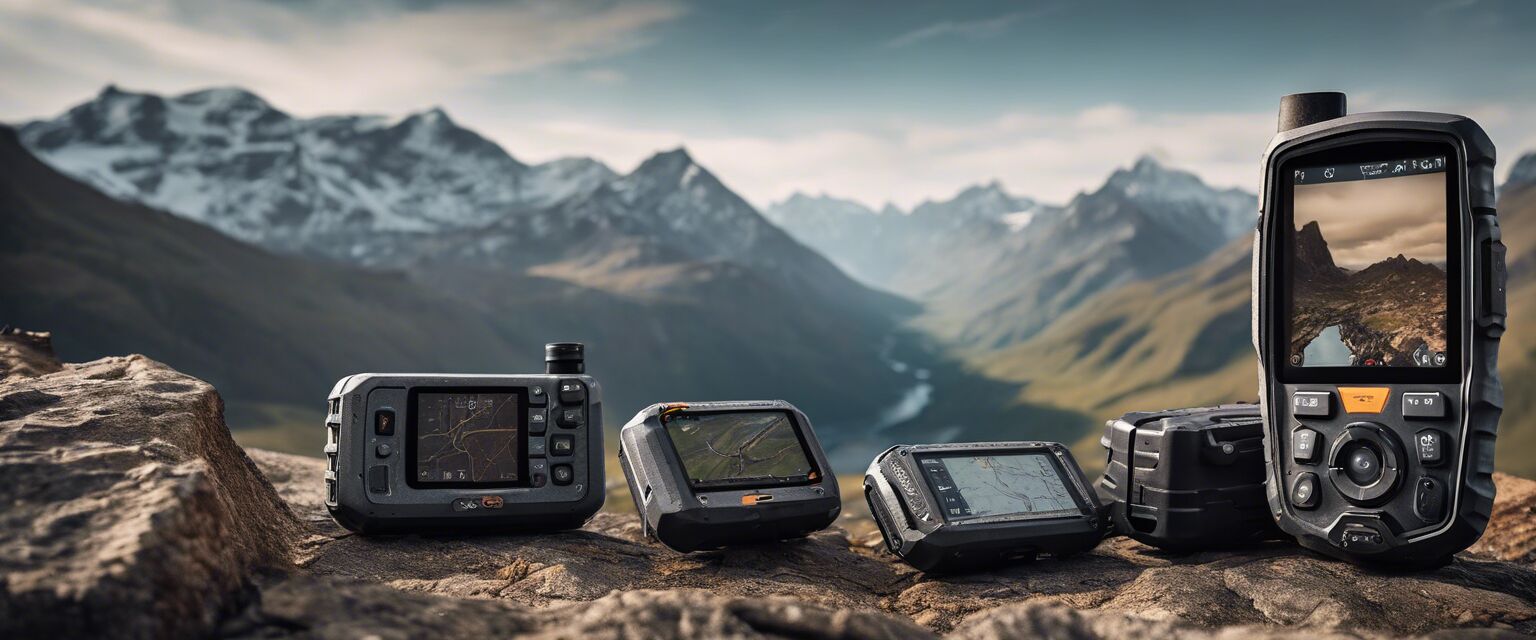
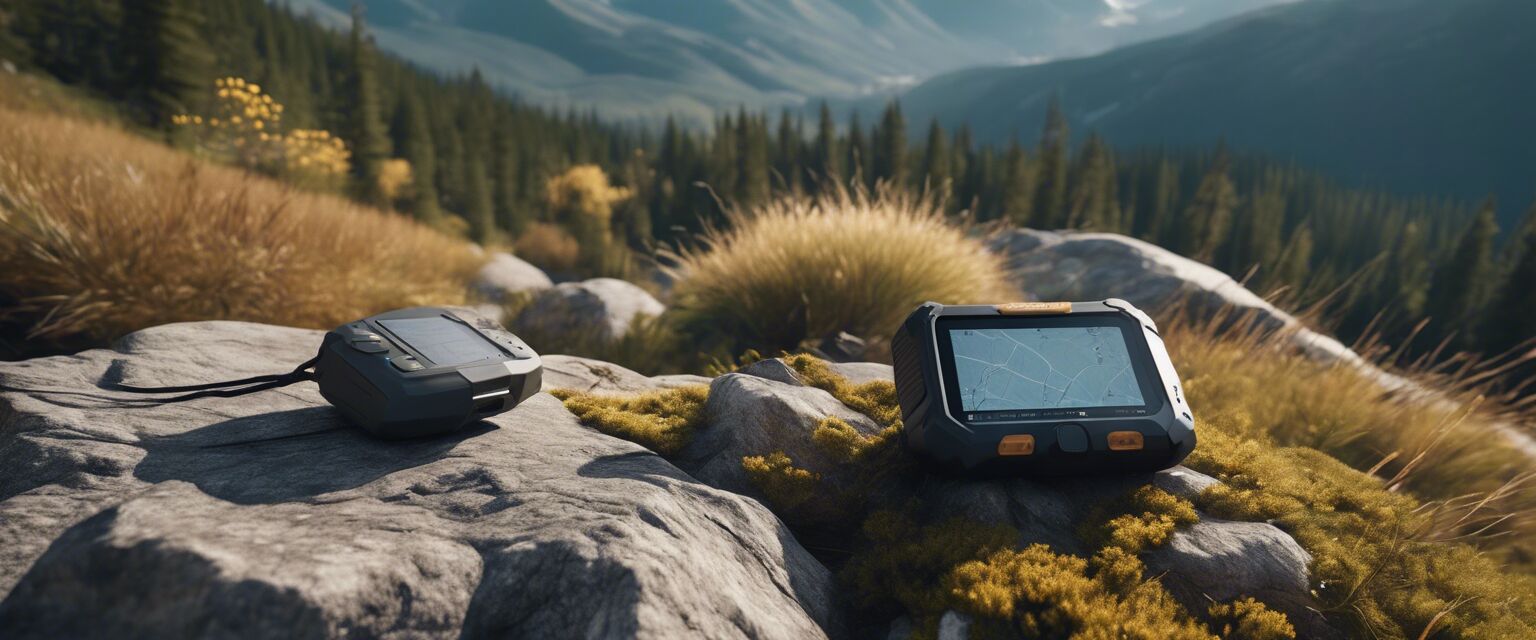
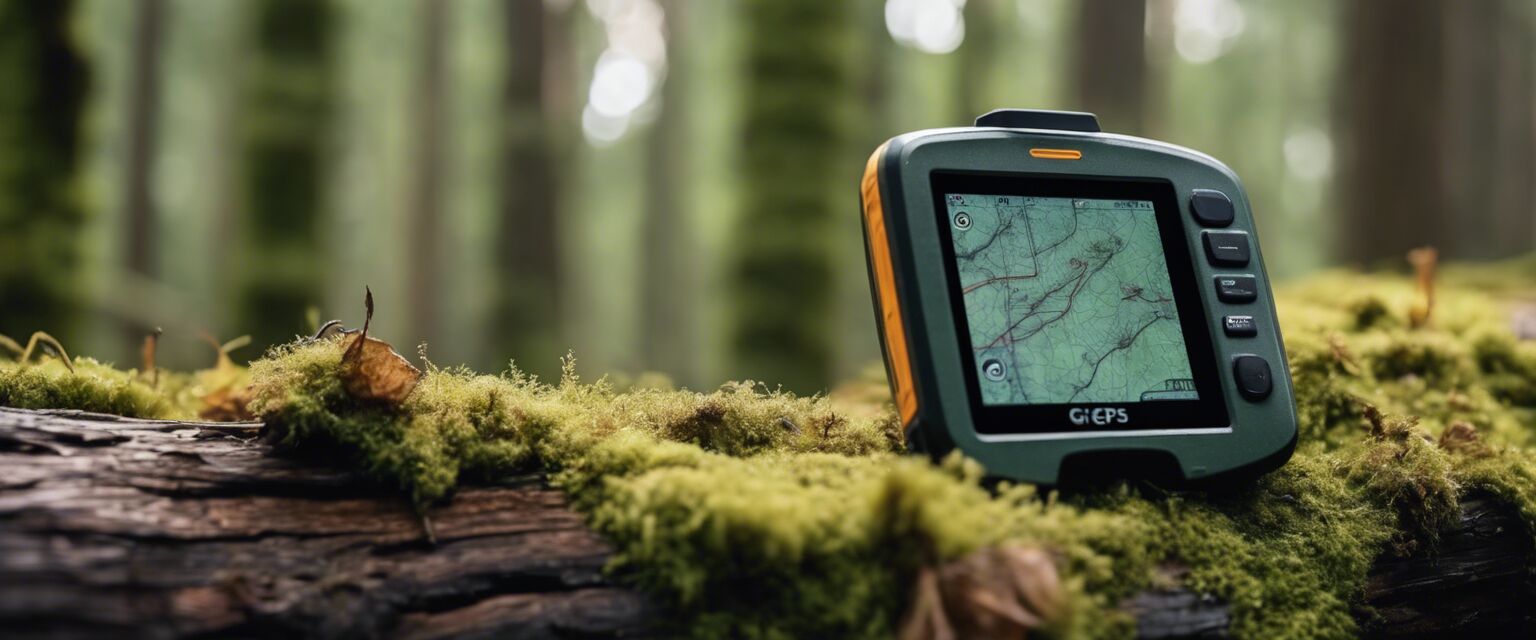
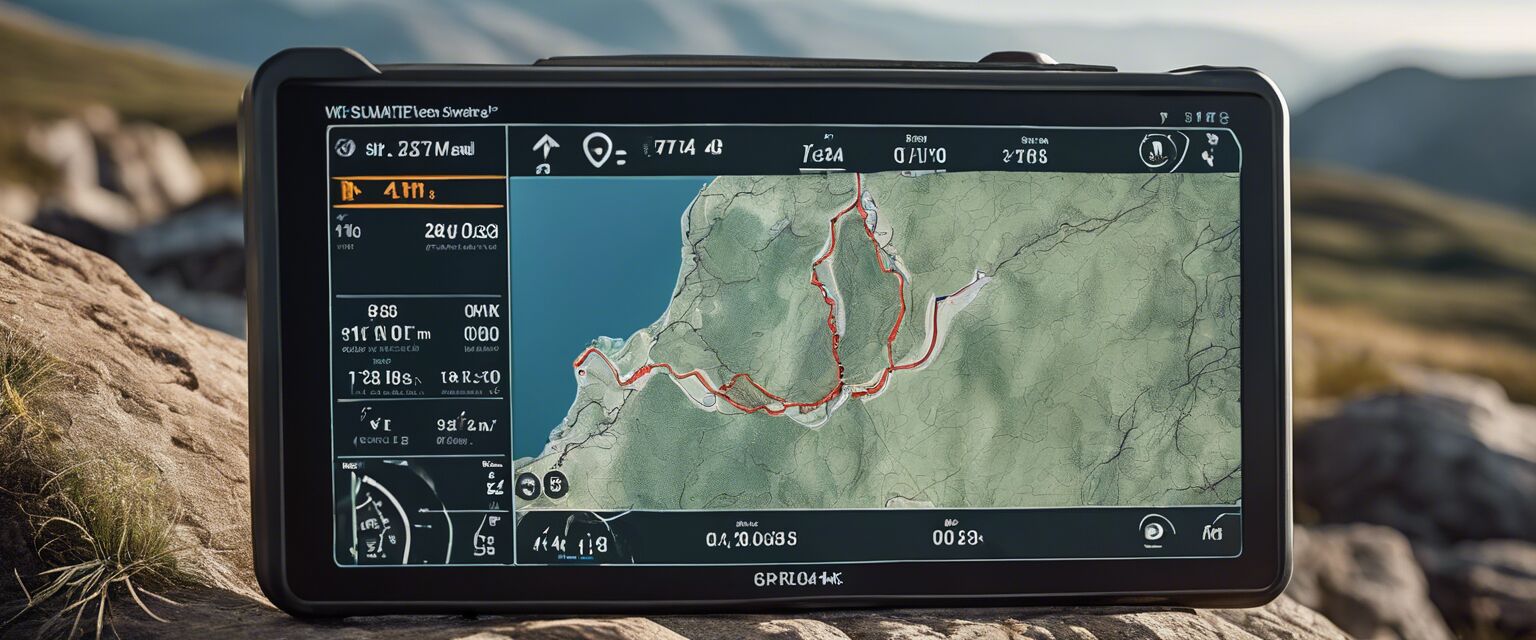
Handheld GPS units are dedicated devices built specifically for outdoor navigation. They often come with advanced mapping features and are designed to withstand harsh environments.
Feature Comparison
| Feature | Smartwatch | Handheld GPS Unit |
|---|---|---|
| Size & Weight | Compact and lightweight | Bulkier but rugged |
| Battery Life | Generally shorter | Long-lasting |
| Durability | Water-resistant (varies by model) | Built to withstand extreme conditions |
| Navigation Features | Basic GPS functionalities | Advanced navigation and mapping |
| Additional Features | Fitness tracking, notifications | Custom routing, offline maps |
Pros and Cons
Pros
- Smartwatch: Easy accessibility and quick navigation.
- Smartwatch: Multi-functional â tracks health data and notifications.
- Handheld GPS: Superior accuracy in navigation.
- Handheld GPS: Often includes offline map capability, essential for remote areas.
Cons
- Smartwatch: Limited battery life, especially with GPS usage.
- Smartwatch: Less durable compared to dedicated GPS units.
- Handheld GPS: Heavier and bulkier to carry.
- Handheld GPS: Typically more expensive than smartwatches.
Ease of Use
When it comes to usability, smartwatches tend to be user-friendly with touchscreen interfaces similar to smartphones. In contrast, a handheld GPS may require some learning before you feel comfortable navigating with it.
Image Gallery
Compatibility with accessories
Many hikers benefit from accessories that enhance their devices. This can include:
- Solar chargers for long hikes.
- Mapping software for detailed navigation.
- Carrying cases for protection.
Both smartwatches and handheld GPS units can use compatible accessories to improve their functionality. For instance, consider visiting our GPS Accessories page to learn about various products that can aid your hiking experience.
Final thoughts: Which is right for you?
Ultimately, choosing between a smartwatch or a handheld GPS unit boils down to your personal hiking objectives. If you prefer a device that combines fitness tracking with navigation, go for a smartwatch. However, if navigation precision and rugged reliability are your main concerns, a handheld GPS may be the better choice.
Tips for beginners
- Assess your hiking needs: Determine how much importance you place on navigation versus additional features.
- Read product reviews: Understand others' experiences with the devices you're considering.
- Practice using the device before your trip: Familiarize yourself with its functions, especially with a handheld GPS that may have a steeper learning curve.
Related articles
To further enhance your outdoor navigation skills, check out our related articles: