GPS System Setups for Group Hikes
Key Takeaways
- Choose reliable GPS devices that ensure connectivity for all group members.
- Utilize mapping software for accurate route tracking and navigation.
- Consider portable communication devices for emergencies and group coordination.
- Ensure all devices are charged and equipped with solar chargers for long hikes.
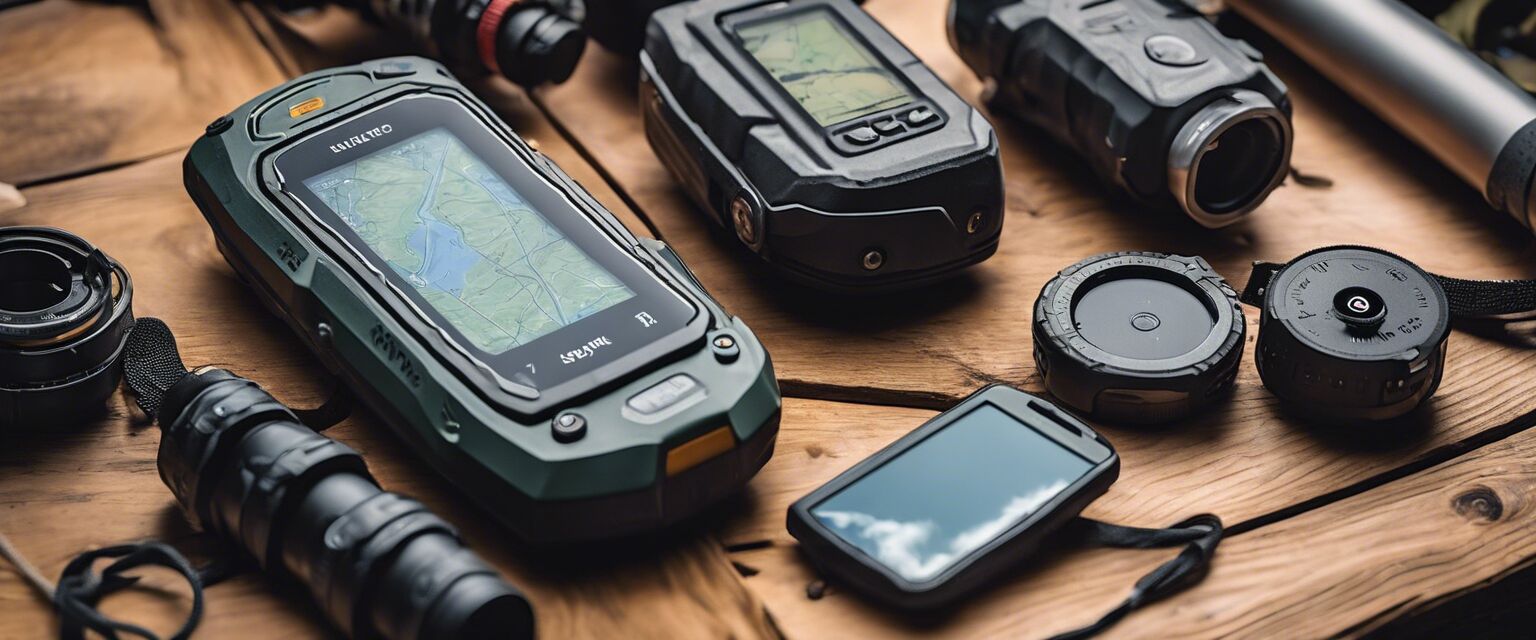
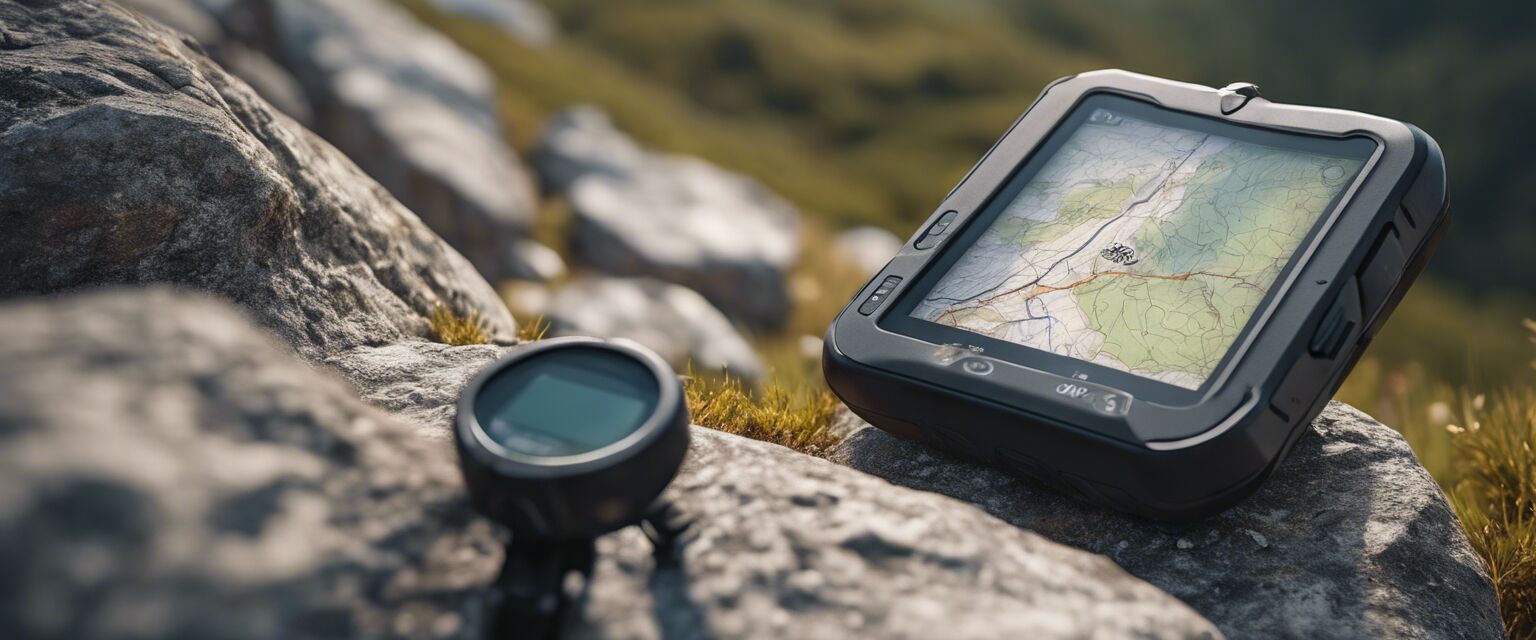
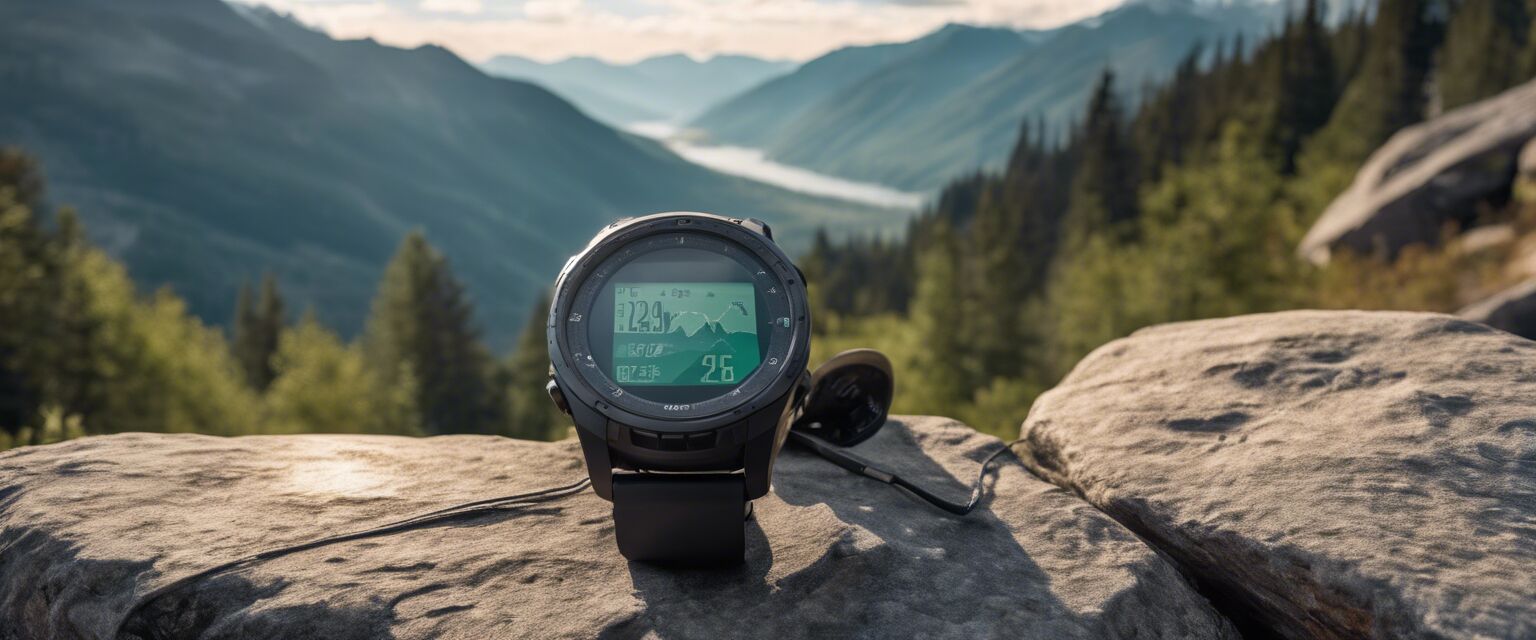
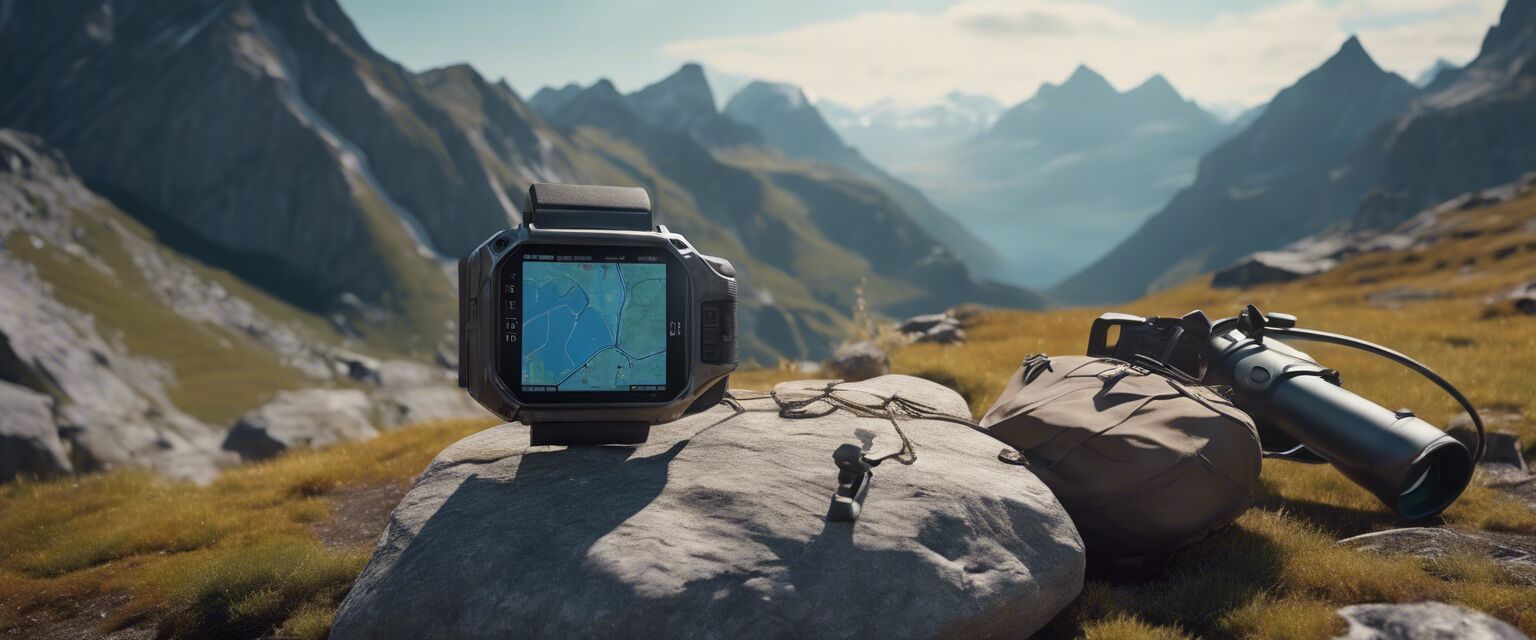
When planning group hikes, having a reliable GPS system is crucial for safety and navigation. Whether you're exploring rugged terrains or enjoying scenic trails, the right GPS setup can enhance your hiking experience. In this guide, we will discuss the best GPS devices and configurations tailored for group hiking trips.
Why GPS is important for group hikes
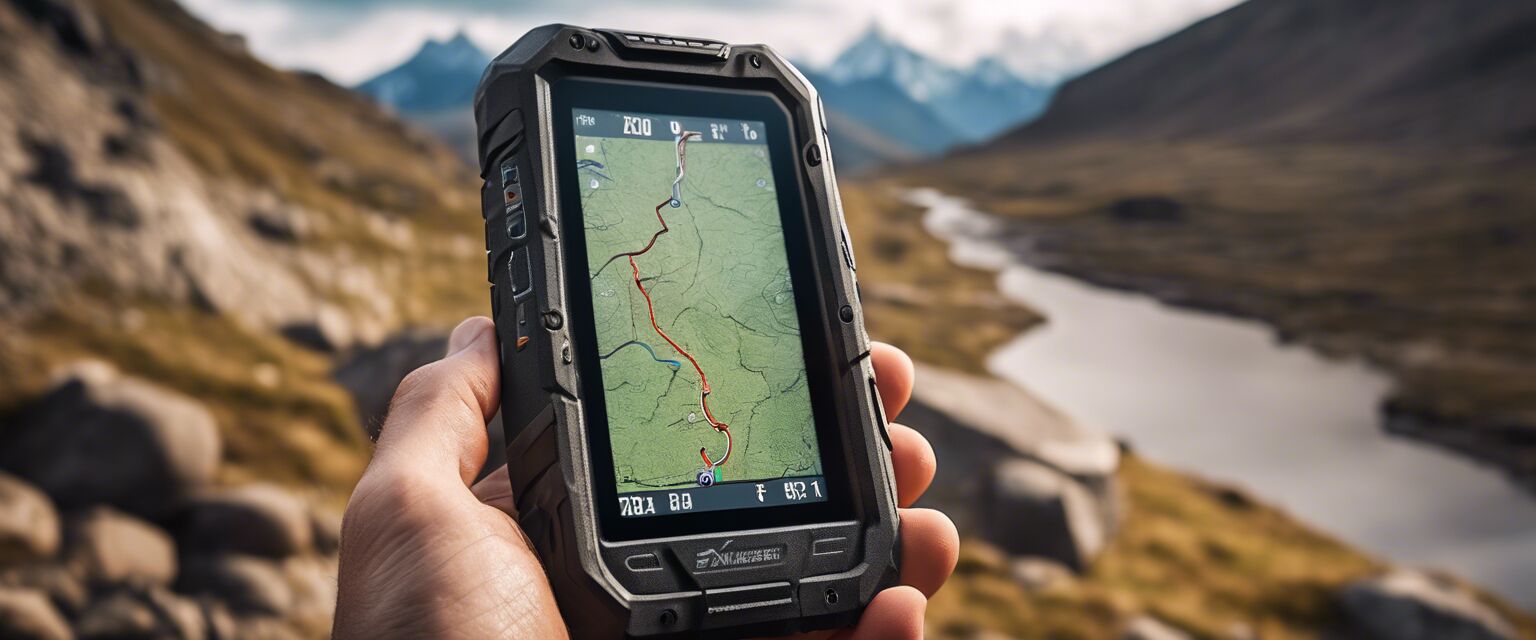
Group hikes can be exhilarating, but they also come with challenges. Keeping everyone on the same path is vital to ensure safety and enjoyment. GPS systems provide real-time location tracking and navigational assistance, making them indispensable tools for any hiking group.
Key features to consider in a GPS system
- Durability: Look for devices that can withstand harsh weather conditions.
- Battery life: Ensure devices have long-lasting batteries or the option to use solar chargers.
- Mapping software: Choose GPS units that support detailed topographic maps.
- Group tracking: Devices that allow multiple users to track each other's locations are beneficial.
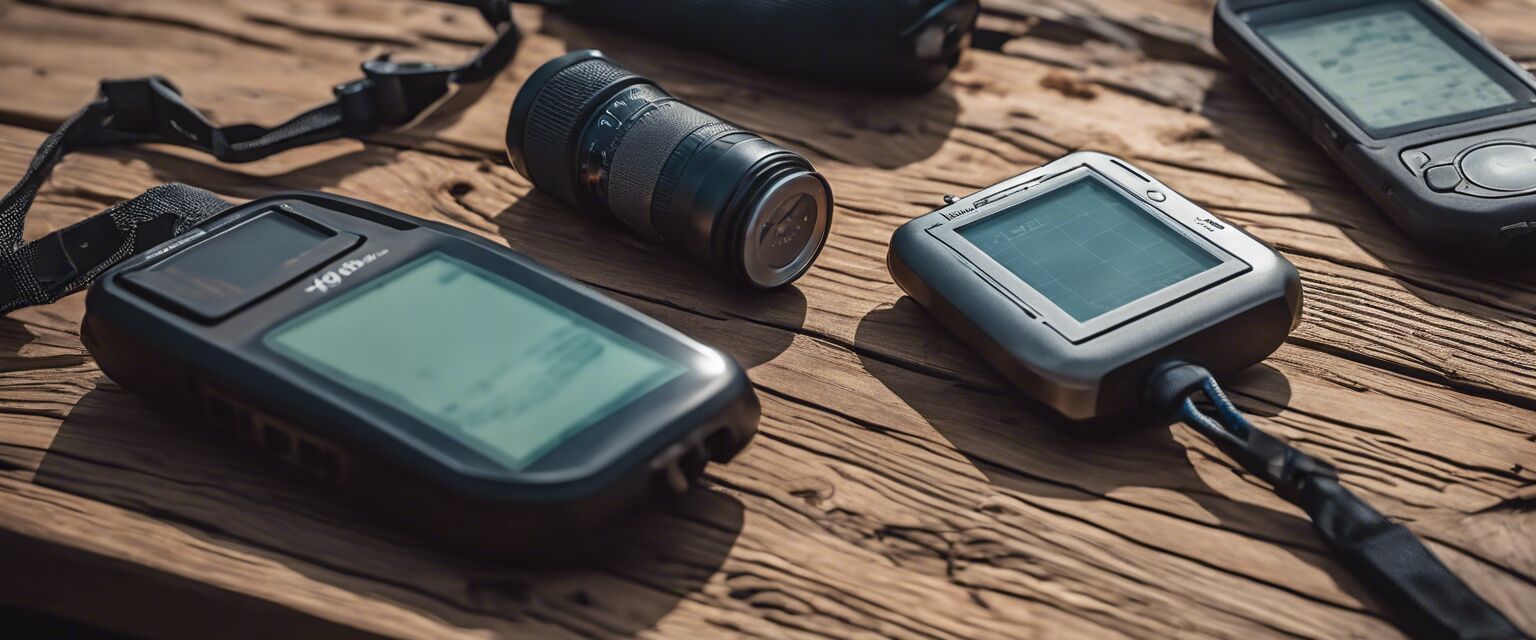
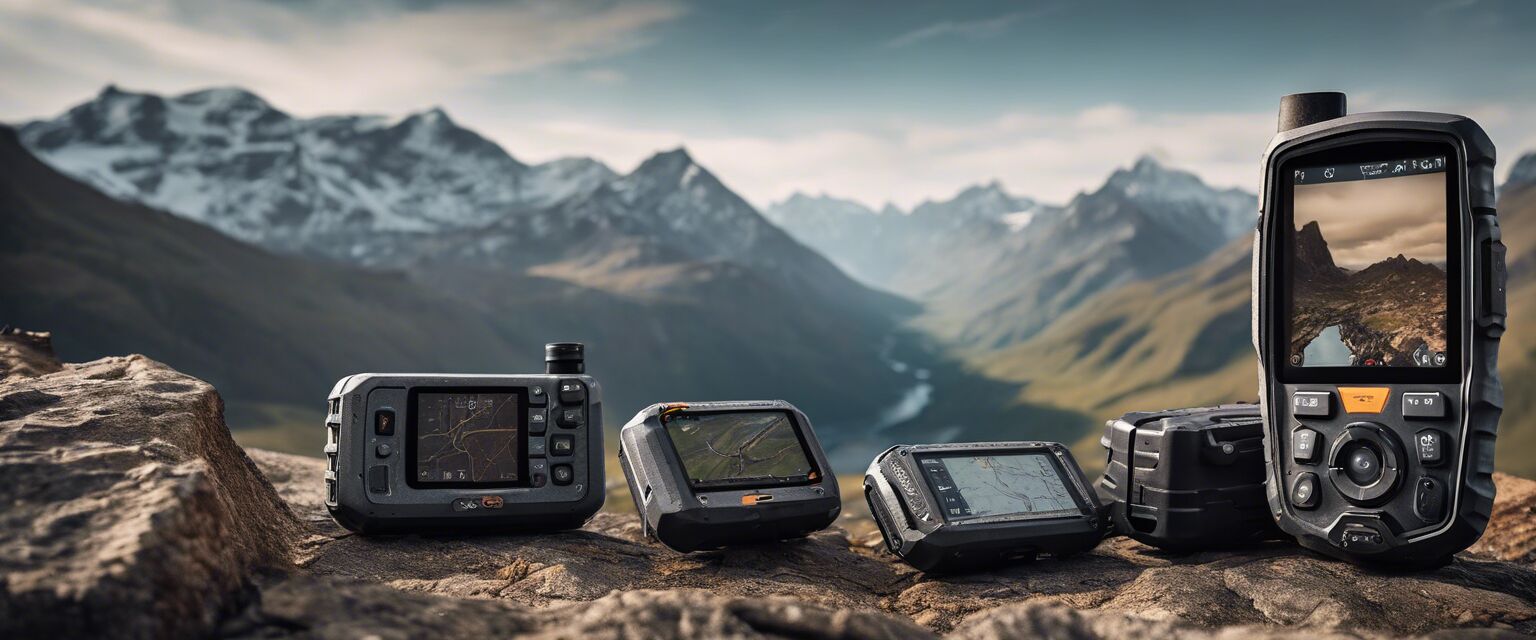
Top GPS devices for group hikes
| Device | Durability | Battery Life | Group Tracking | Mapping Software |
|---|---|---|---|---|
| Garmin GPSMAP 66i | Water-resistant | Up to 16 hours | Yes | Topographic maps included |
| Magellan TRX7 CS | Rugged design | Up to 8 hours | Yes | Detailed trail maps |
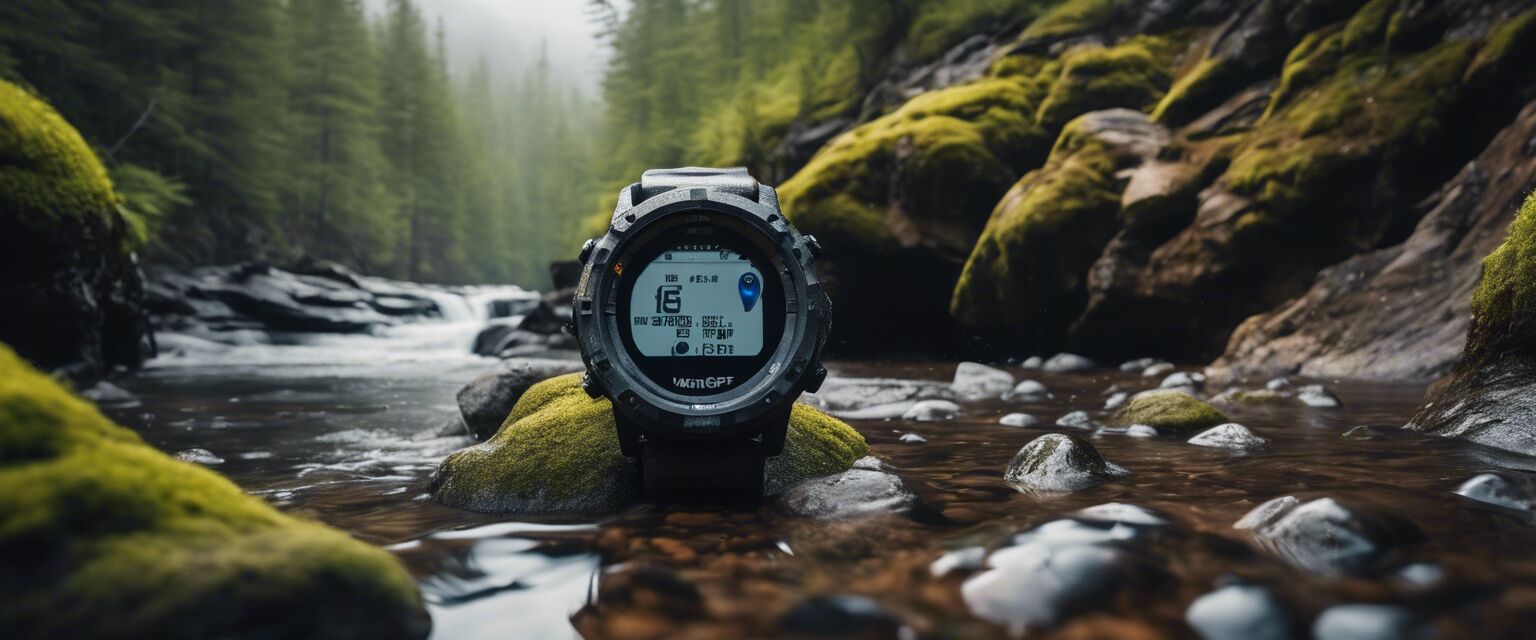
| Suunto 9 Baro | Waterproof | Up to 120 hours | Yes | Comprehensive mapping options |
Choosing the right setup for your group
When selecting a GPS system for your group, consider the size of your hiking party, the expected weather conditions, and the length of your hike. Below are some recommended setups based on different group sizes:
| Group Size | Recommended Devices | Additional Accessories |
|---|---|---|
| 2-4 Hikers | Handheld GPS Units | Portable chargers |
| 5-10 Hikers | Wearable GPS Devices | Emergency beacons |
| 10+ Hikers | Mapping Software on Smartphones | Solar Chargers |
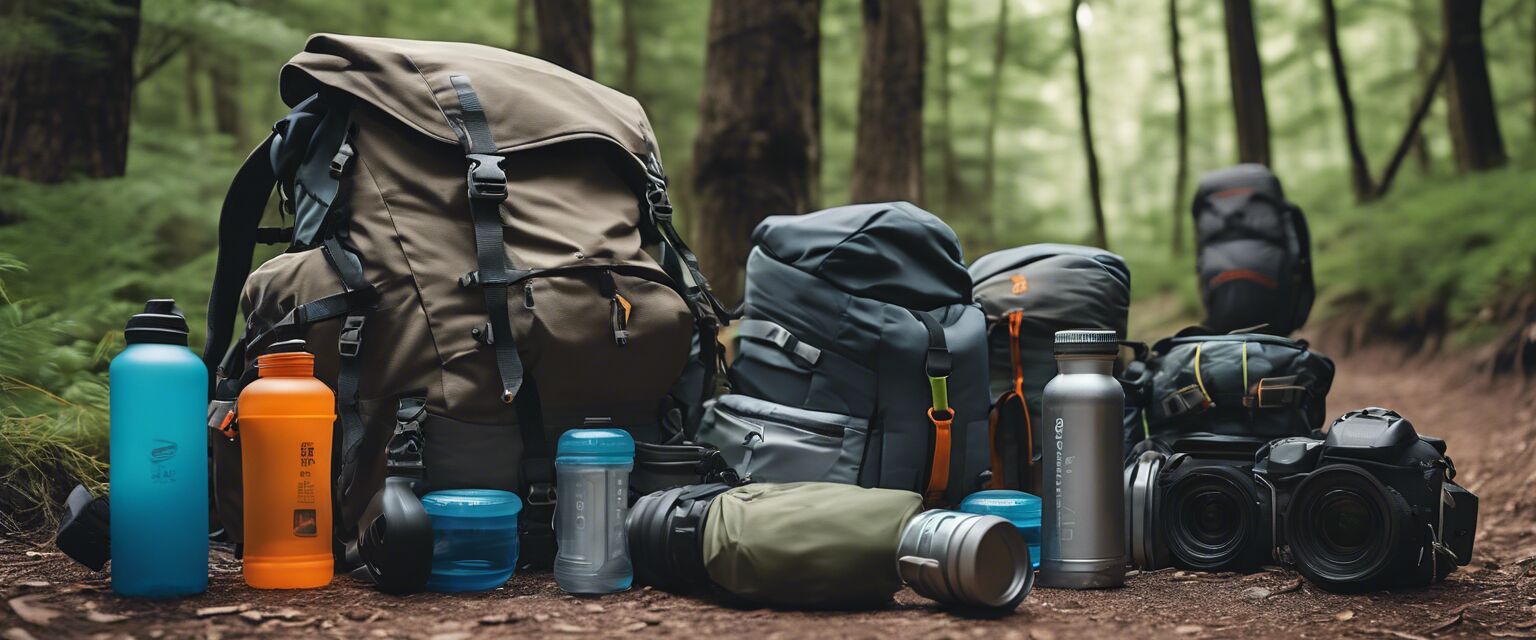
Essential accessories for your GPS setup
- Solar Chargers: Keep your devices powered during long hikes.
- Emergency Beacons: Ensure safety with devices that can alert others in emergencies.
- GPS Accessories: Consider protective cases and mounts for easy handling.
Best practices for using GPS during hikes
- Ensure all devices are fully charged before the hike.
- Familiarize yourself with the GPS features and settings.
- Regularly check group members' locations during the hike.
- Have backup navigation methods (like maps and compasses).
- Communicate clearly with your group about the planned route.
Pros
- Improved safety and navigation for all group members.
- Real-time tracking and communication.
- Durable devices withstand outdoor conditions.
Cons
- Dependence on battery life may be problematic on longer hikes.
- Some devices can be expensive.
- Learning curve for new users may be necessary.
Conclusion
Investing in a quality GPS system is vital for enhancing your group's hiking experience. By choosing the right devices and accessories, you ensure everyone's safety and enjoyment on the trails. For more information on specific GPS types, you can check our sections on Emergency Beacons, GPS Accessories, Handheld GPS Units, Mapping Software, and Portable Communication Devices.
Additional resources
Explore our guides to learn more about the best practices for using GPS on hikes and recommendations for specific devices. Stay safe and enjoy your adventures!