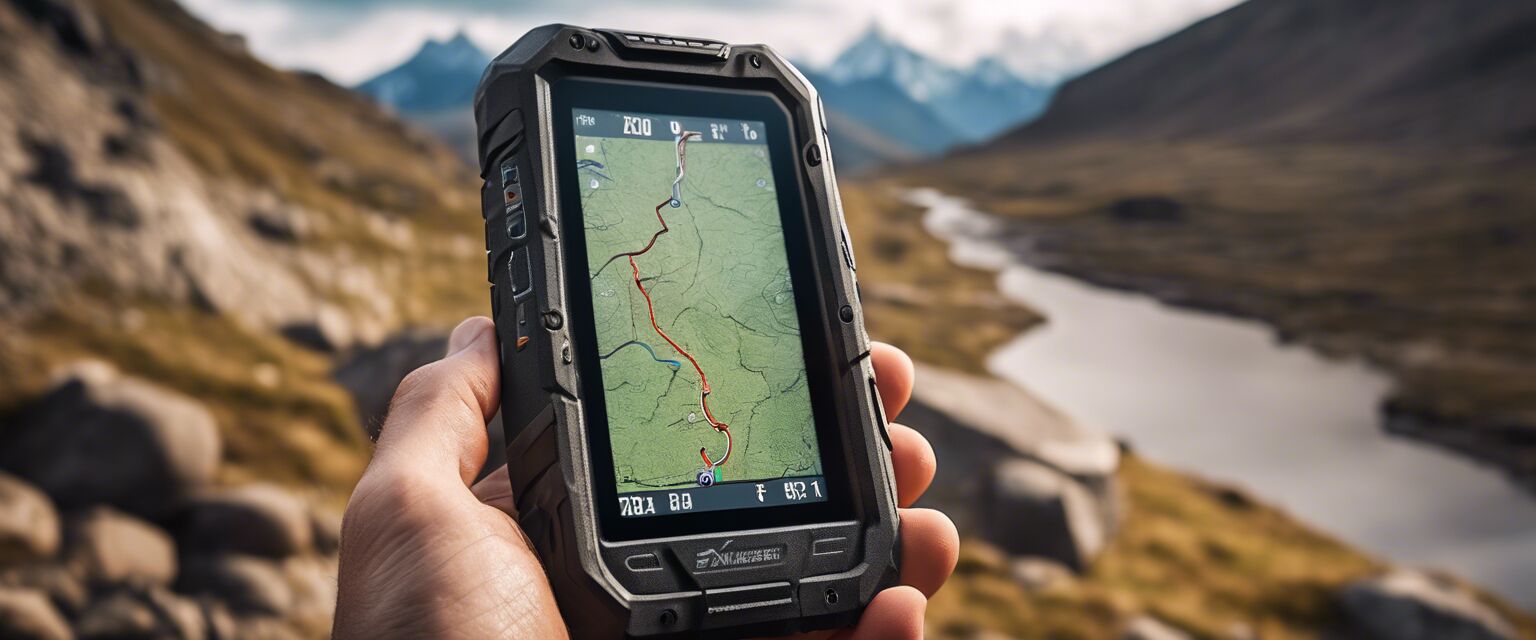
GPS Units with Long Battery Life
Key Takeaways
- Long battery life is crucial for extended hiking trips.
- GPS units vary in battery performance based on usage and features.
- Solar-powered options provide sustainable energy for longer hikes.
- Understanding battery types can help you choose the right GPS device.
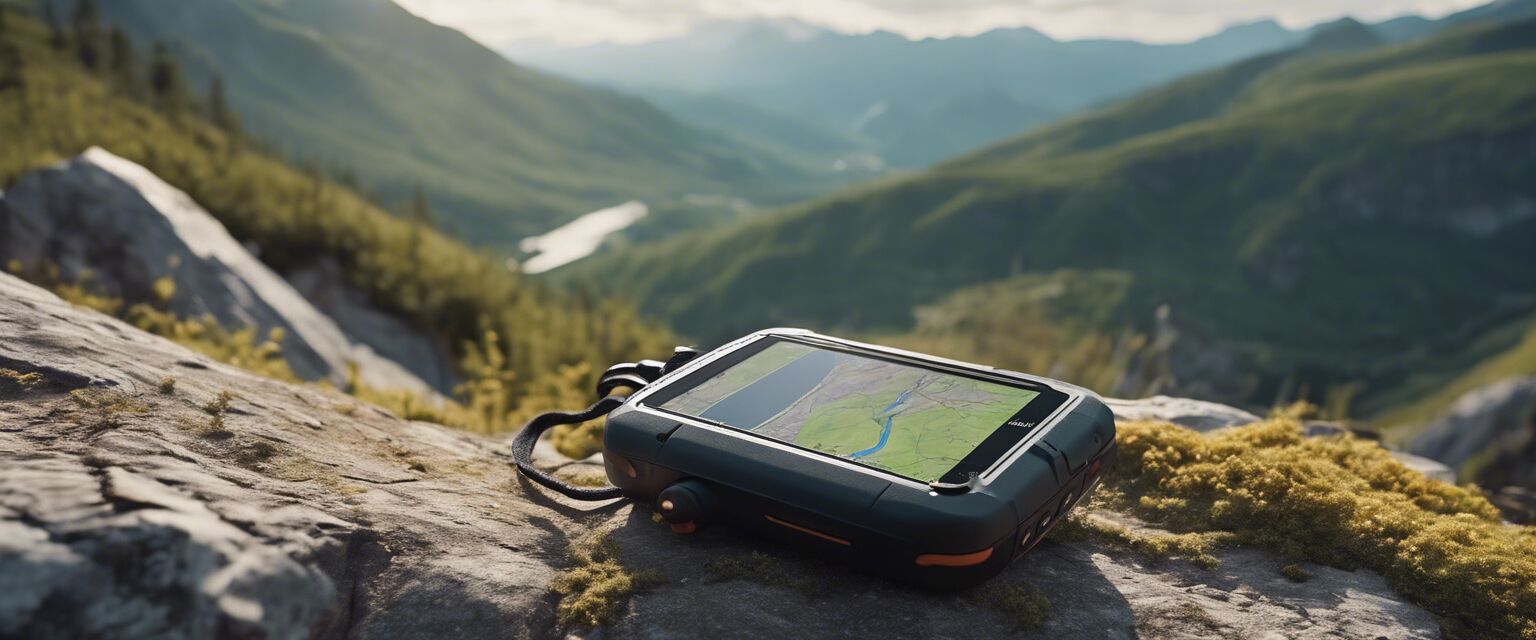
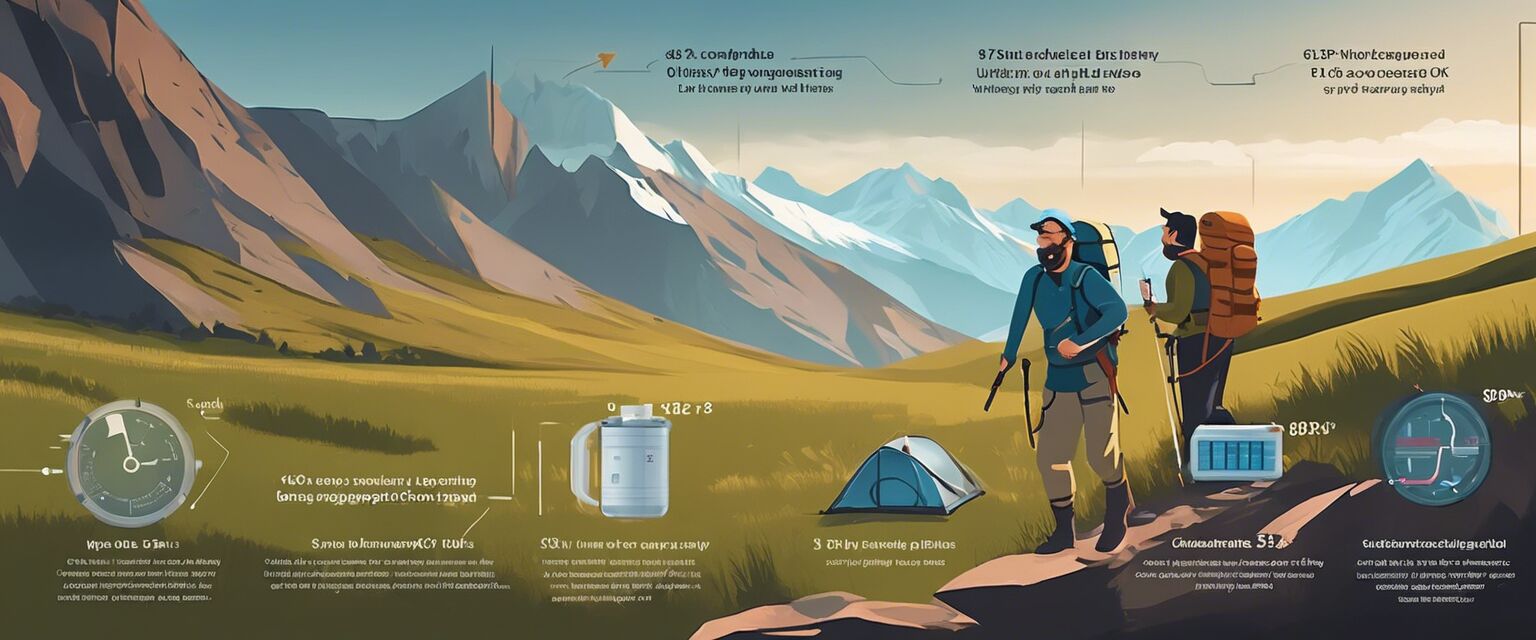
When embarking on an extended hiking adventure, having a GPS unit with long battery life is essential for navigation and safety. This article explores various GPS devices known for their durability and battery longevity, ensuring you can stay on the right path without worrying about recharging.
Why Battery Life Matters in GPS Devices
The battery life of a GPS device can make or break your hiking experience. In remote areas, access to charging sources is limited, making it vital to choose a GPS unit that can last throughout your journey. Here are some reasons why battery life is important:
- Consistent Navigation: A long-lasting battery ensures your GPS unit remains operational for the duration of your hike.
- Emergency Situations: In case of emergencies, having a charged GPS device can be lifesaving.
- Tracking Features: Many GPS devices offer tracking features that consume more power; a long battery life accommodates this.
Types of GPS Battery Technology
Understanding the different types of battery technology can help you make an informed decision. Hereâs a breakdown:
| Battery Type | Pros | Cons |
|---|---|---|
| Alkaline | Widely available, inexpensive | Shorter lifespan |
| Lithium-ion | Longer life, lightweight | More expensive |
| Solar-powered | Renewable energy source | Dependent on sunlight |
Top Features to Look for in a GPS Unit
When choosing a GPS device, there are several key features to consider:
- Battery Life: Look for units that can last several days on a single charge.
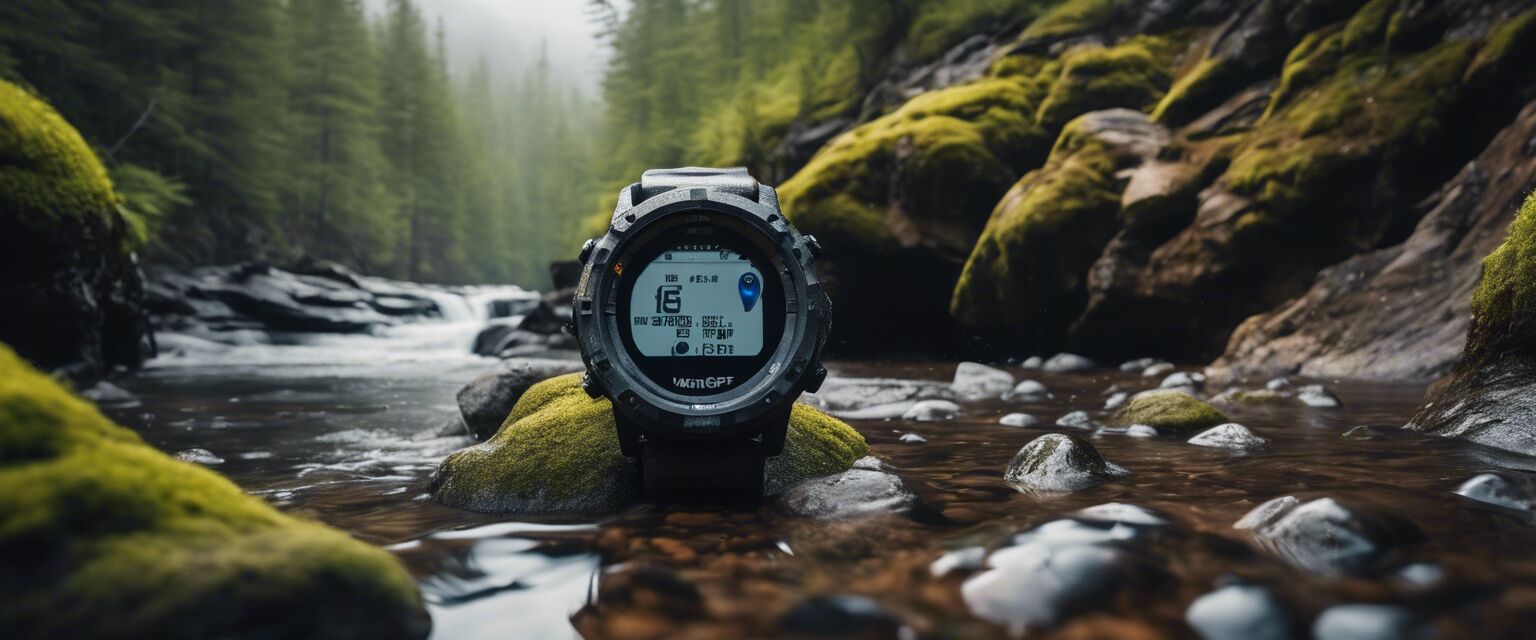
- Durability: Ensure the device can withstand rugged conditions.
- Water Resistance: Important for unexpected weather changes.
- Screen Visibility: A bright display that is easy to read in sunlight.
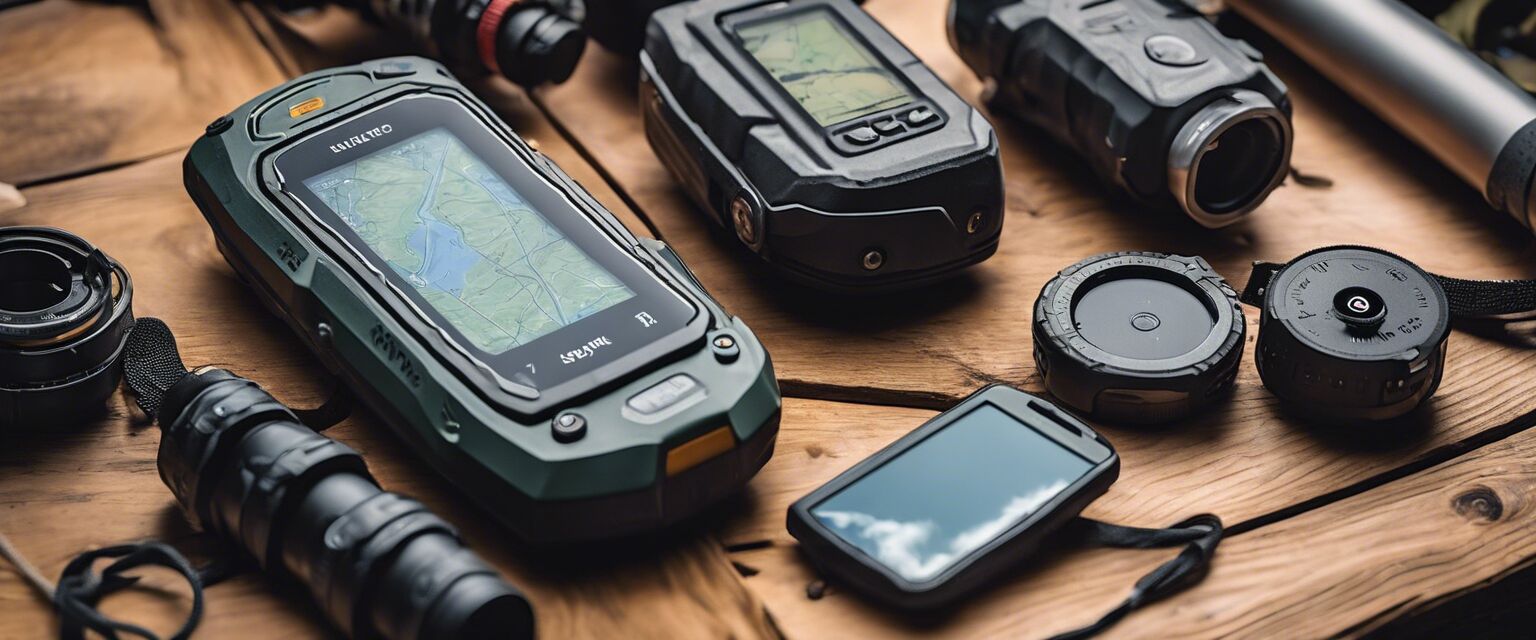
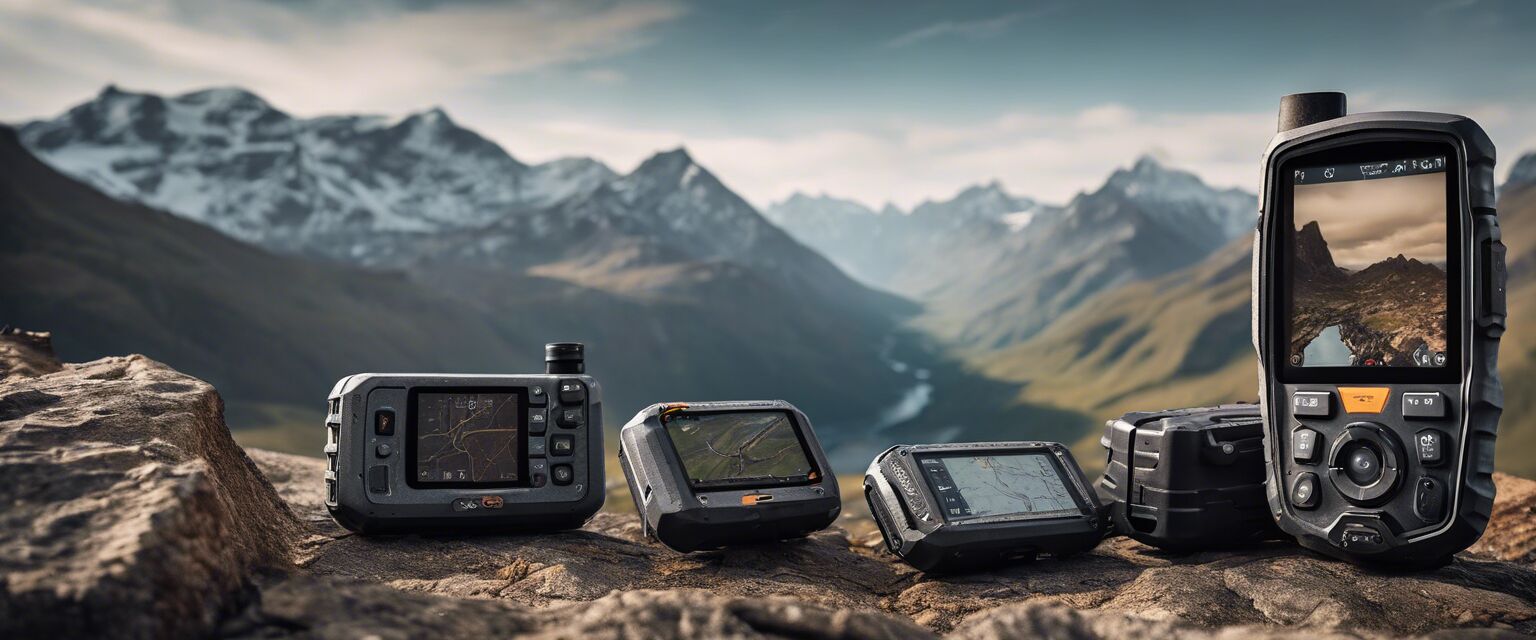
Comparison of GPS Units with Long Battery Life
| GPS Model | Battery Life | Weight | Durability |
|---|---|---|---|
| Model A | 30 hours | 200g | Waterproof |
| Model B | 40 hours | 250g | Shockproof |
| Model C | 50 hours | 300g | Rugged |
Tips for Maximizing GPS Battery Life
Beginners Section: Tips for Maximizing Battery Life
- Reduce screen brightness.
- Turn off unnecessary features such as Bluetooth or Wi-Fi.
- Use battery-saving modes when available.
- Keep the device in a cool, dry place to prevent overheating.
Solar-Powered GPS Devices
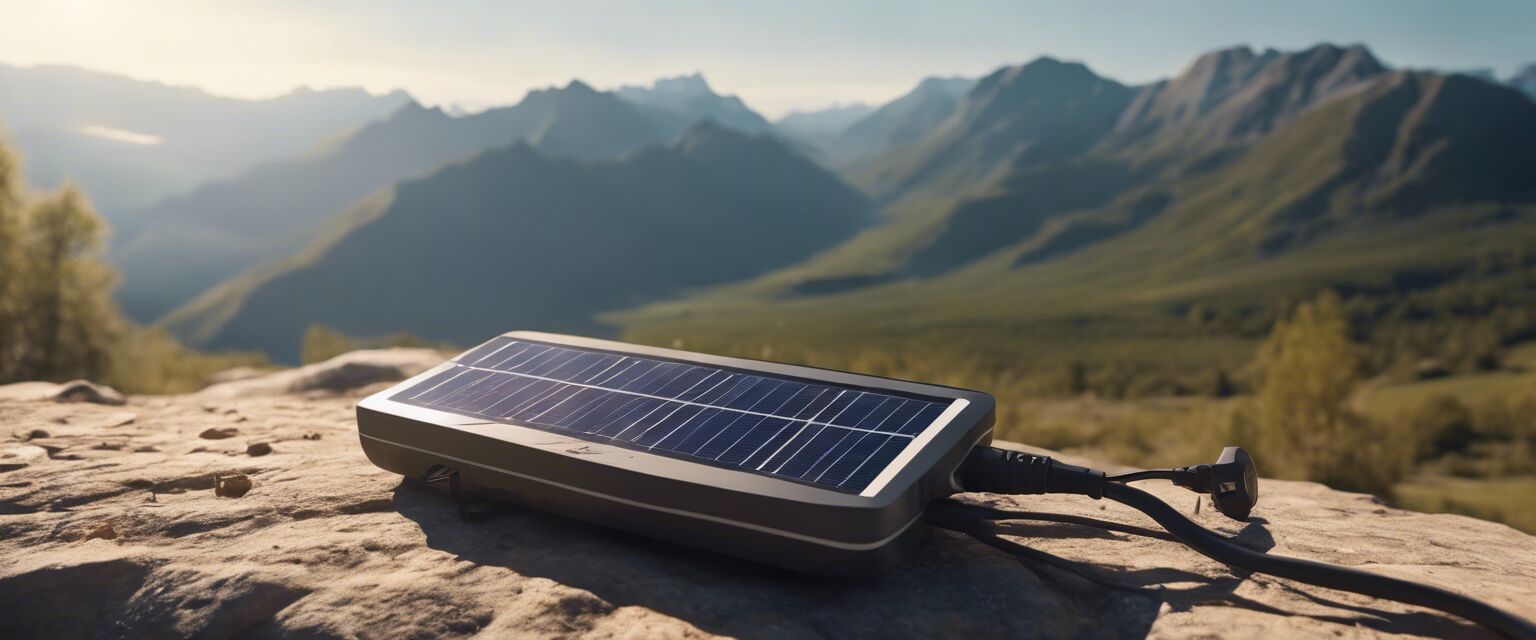
Solar-powered GPS devices are becoming increasingly popular among hikers. These units harness the power of the sun to extend battery life significantly. Hereâs a brief overview of their benefits:
- Environmentally Friendly: Utilize renewable energy.
- Extended Use: Ideal for multi-day hikes where recharging isnât possible.
Conclusion
Choosing a GPS unit with long battery life is essential for any serious hiker. By understanding battery types, features, and maximizing battery performance, you can ensure your device remains operational throughout your adventures. Always remember to prioritize your safety and navigation capabilities when selecting the right GPS device for your hiking needs.
Pros
- Extended battery life enhances safety during hikes.
- Variety of features available to suit different hiking needs.
- Durable models can withstand harsh weather conditions.
Cons
- Higher-end models can be costly.
- Some devices may be heavy and bulky.
Further Reading
Explore these related articles for more insights on GPS technology:
- Handheld GPS Units: A Comprehensive Guide
- Essential GPS Accessories for Hikers
- Best Solar Chargers for Outdoor Enthusiasts
- Mapping Software: Choosing the Right Tool
- Portable Communication Devices for Hiking