GPS Devices for Multi-Day Hikes
Key Takeaways
- Durability is crucial for hiking GPS devices.
- Long battery life is essential for multi-day hikes.
- Additional features like mapping software and emergency beacons enhance safety.
- Weight and size can affect your hiking experience.
- Compatibility with GPS accessories can improve functionality.
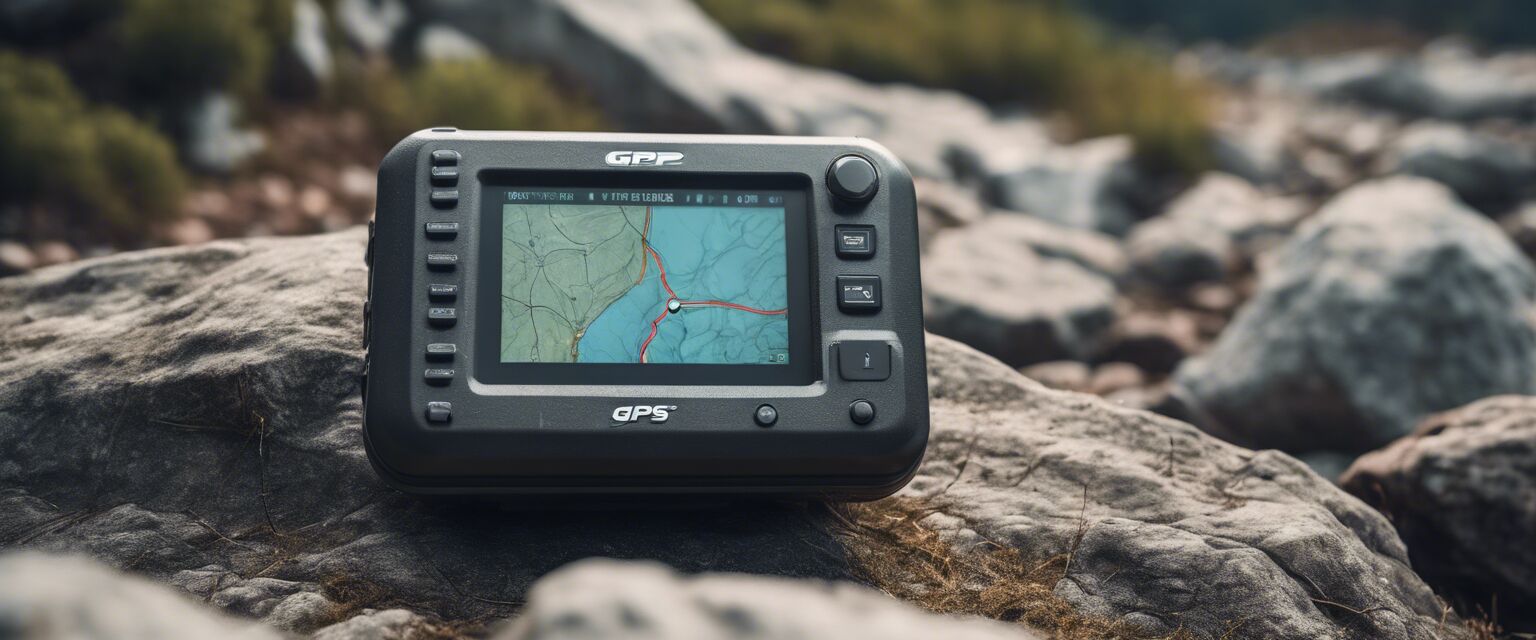
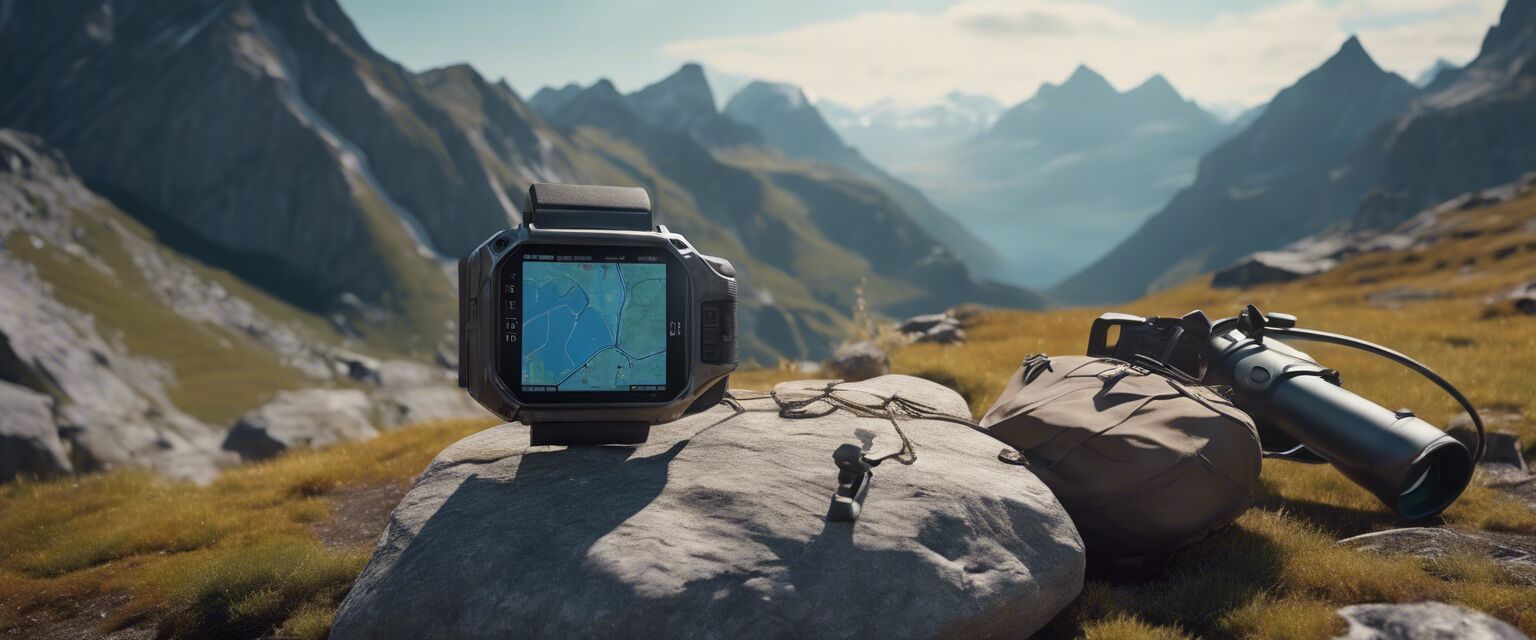
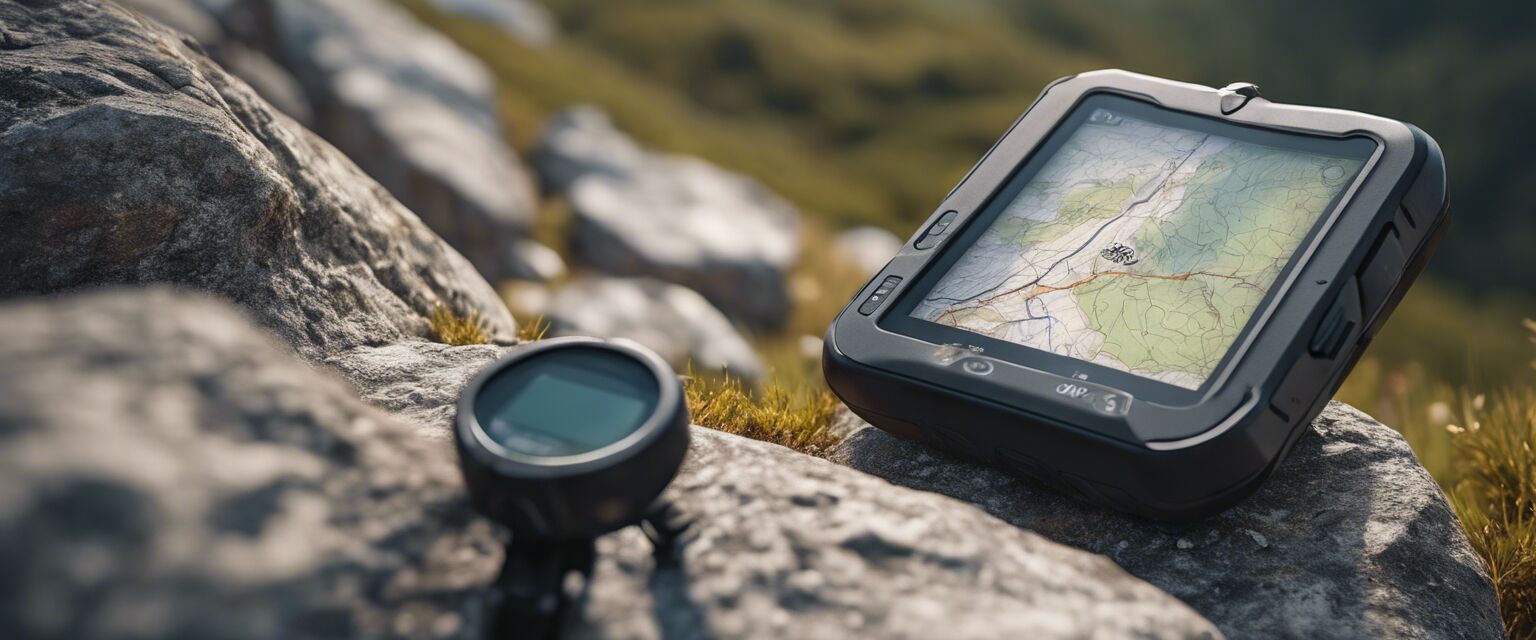
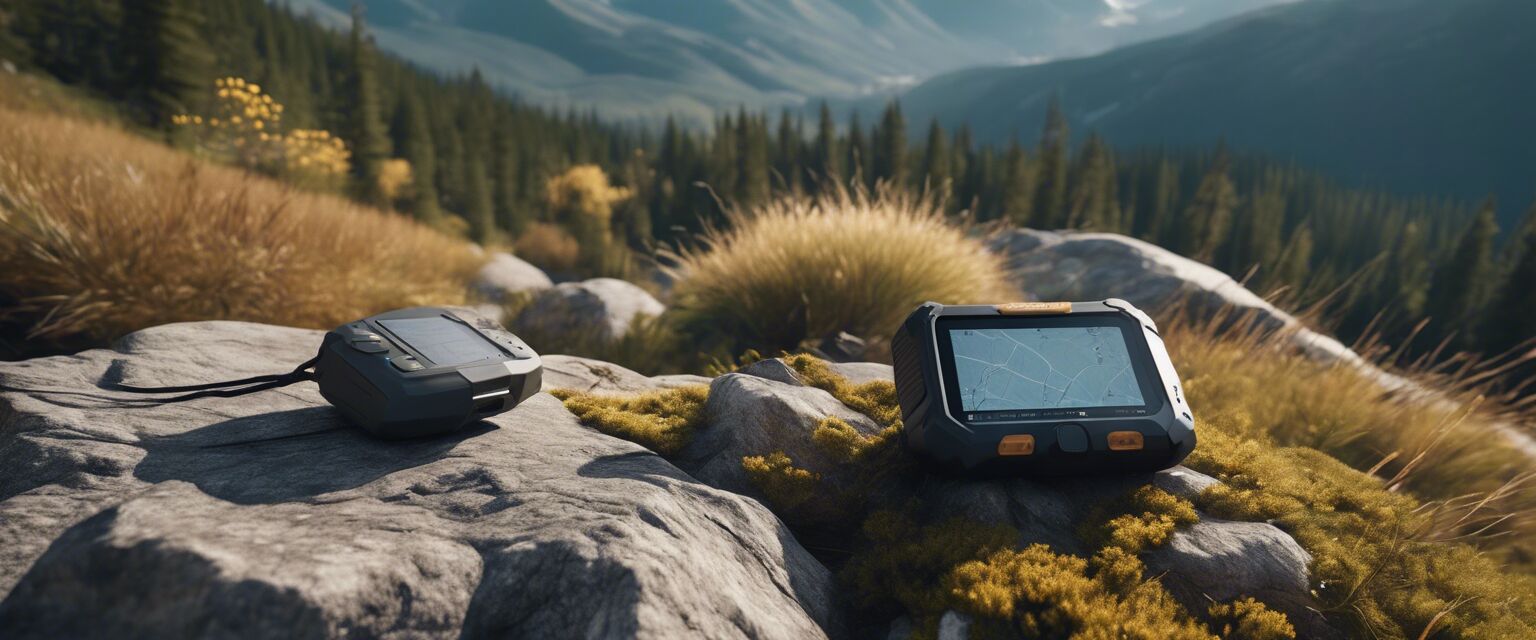
Planning a multi-day hiking adventure requires careful consideration of gear, especially when it comes to navigation. A reliable GPS device can make all the difference in ensuring you stay on track and safe. In this guide, we will explore the best GPS devices specifically designed for multi-day hikes, focusing on their durability, battery life, and essential features. Let's dive in!
Why GPS Devices Are Important for Multi-Day Hikes
When hiking for multiple days, having a GPS device can provide peace of mind. Here are some reasons why:
- Navigation: GPS devices help you find your way in unfamiliar terrains.
- Safety: Many devices come with emergency features such as SOS signals.
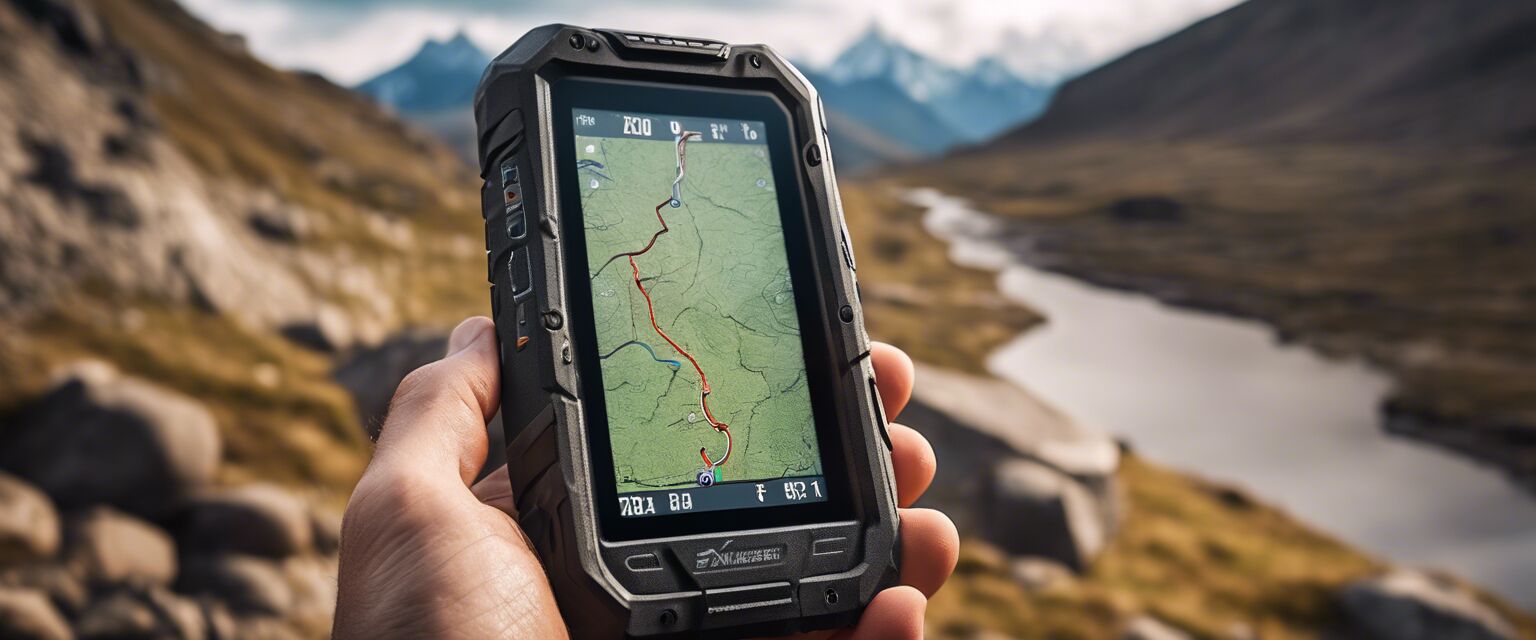
- Mapping: Detailed topographic maps can prevent you from getting lost.
- Tracking: Some devices can log your route for future reference.
Key Features to Consider
When selecting a GPS device for your multi-day hike, consider the following features:
| Feature | Description |
|---|---|
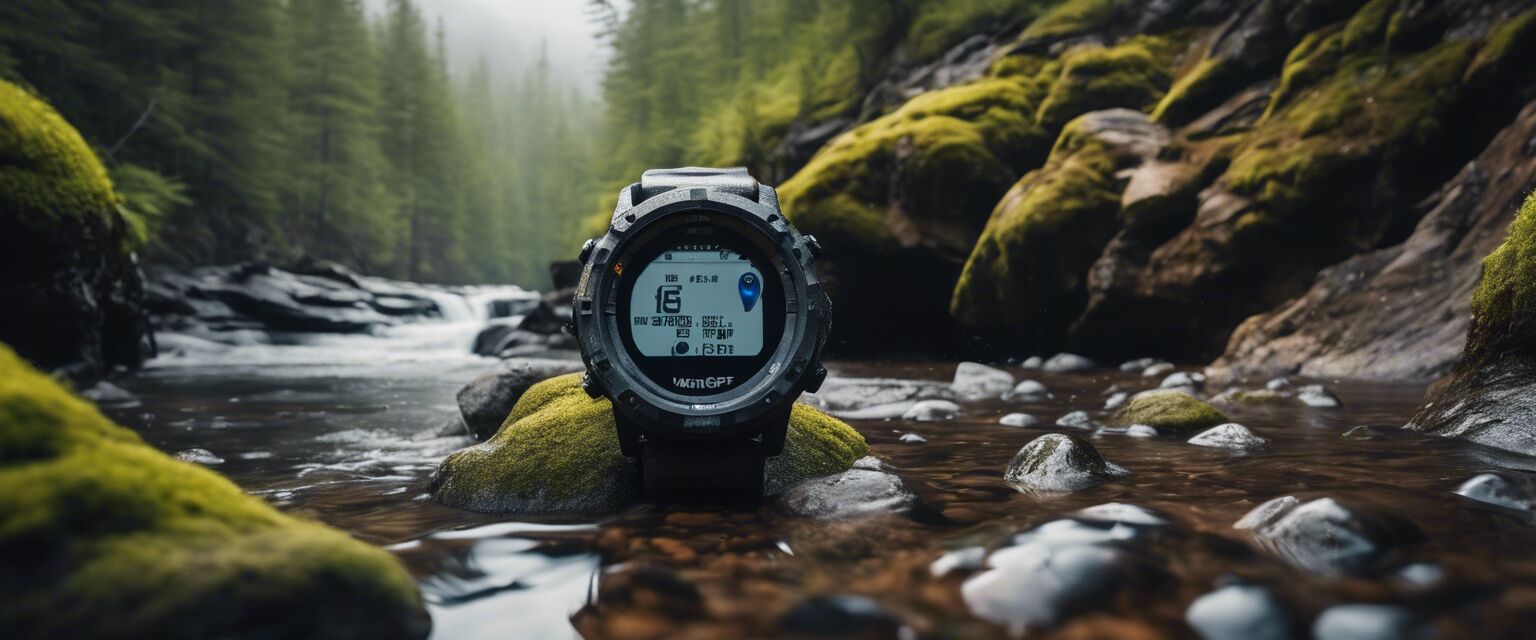
| Durability | Must withstand harsh weather conditions and rough handling. |
| Battery Life | Long-lasting battery for extended use without frequent recharging. |
| Mapping Software | Includes topographic maps and downloadable routes. |
| Weight | Lightweight models are easier to carry over long distances. |
| Water Resistance | Essential for hiking in wet environments. |
Comparison of Popular GPS Devices for Multi-Day Hikes
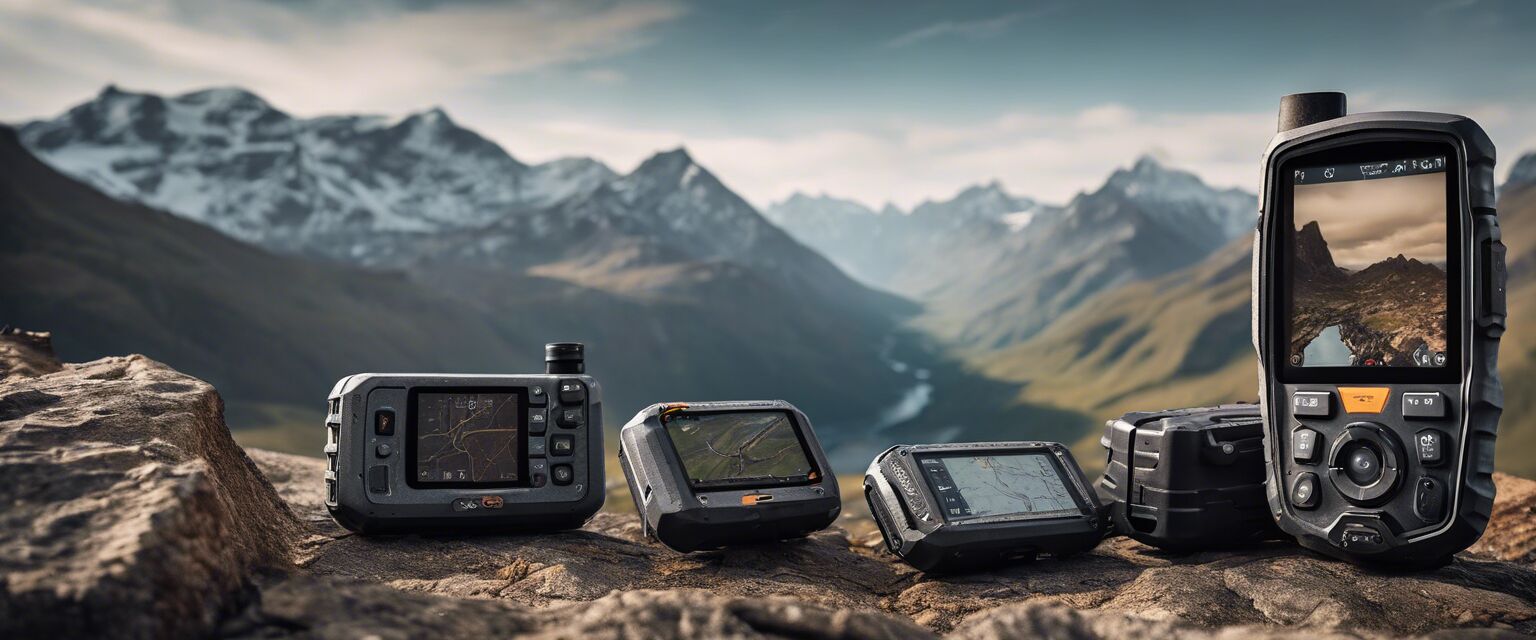
| Device | Battery Life | Weight | Durability | Price Range |
|---|---|---|---|---|
| Device A | 20 hours | 150g | IPX7 | $200 - $250 |
| Device B | 30 hours | 140g | IPX6 | $180 - $230 |
| Device C | 25 hours | 160g | IPX8 | $220 - $270 |
Additional Accessories for Enhanced Hiking Experience
To maximize the functionality of your GPS device, consider these accessories:
- Extra batteries for extended trips.
- Mapping software to download trails and maps.
- Solar chargers for eco-friendly power sources.
- Emergency beacons for added safety.
- Portable communication devices for staying in touch.
Pros and Cons of Using GPS Devices for Hiking
Pros
- Improved navigation and route tracking.
- Enhanced safety with emergency features.
- Access to detailed maps.
- Ability to log and share hiking data.
Cons
- Can be expensive.
- Requires batteries or charging.
- May be challenging for beginners to operate.
- Not always 100% accurate in remote areas.
Tips for Beginners Using GPS Devices
Beginner's Section
- Familiarize yourself with the device before your hike.
- Always carry a backup map and compass.
- Keep the GPS device charged and check battery levels regularly.
- Learn how to set waypoints and navigate routes.
- Practice using the device on shorter hikes first.
Conclusion
Choosing the right GPS device for your multi-day hiking adventures can significantly enhance your experience. With a focus on durability, battery life, and essential features, you can navigate confidently through diverse terrains. As you prepare for your next hike, make sure to consider the information provided in this guide to find the perfect GPS device for your needs.